Shining my black dress shoes just now (for a banquet this evening), I realized that as a child, I SHARED in my father’s ministry when he taught at the seminary in Mexico. I don’t know how often it really was, but it seems like it was almost weekly that he’d line up his dress shoes and have me polish them. It was a privilege, even if I didn’t understand that at the time! Unbeknownst to me, he was often up all night preparing to teach difficult subjects in Spanish, and didn’t really have time for shining shoes!
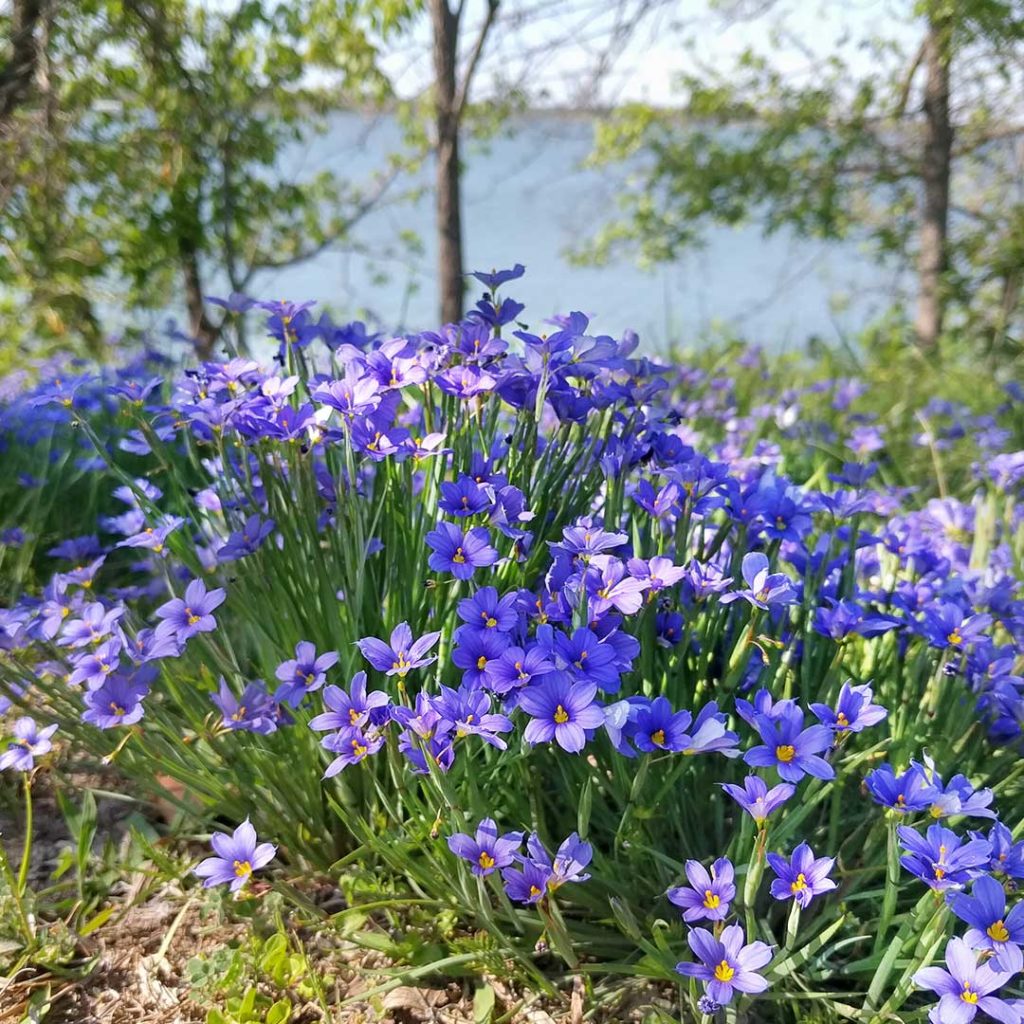
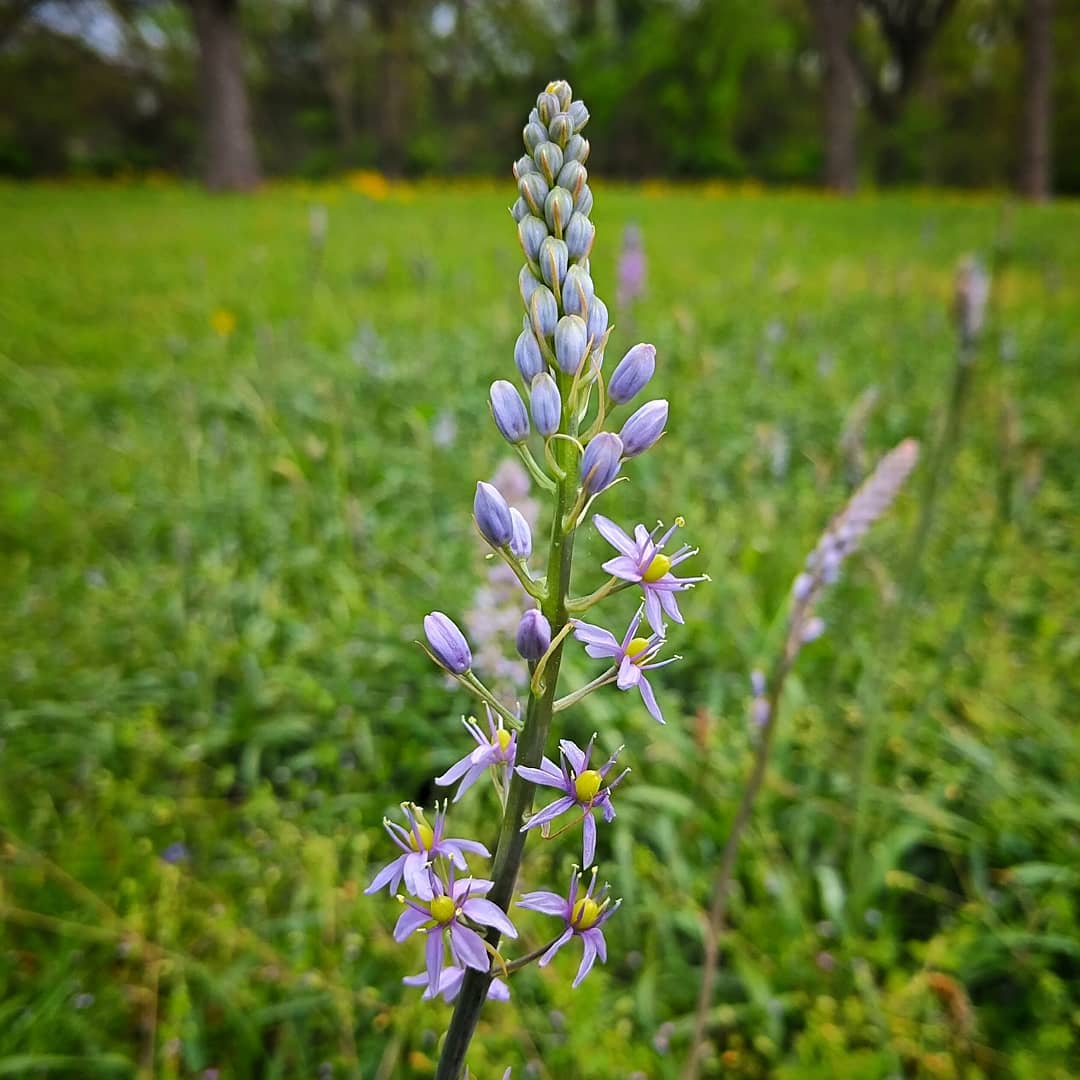
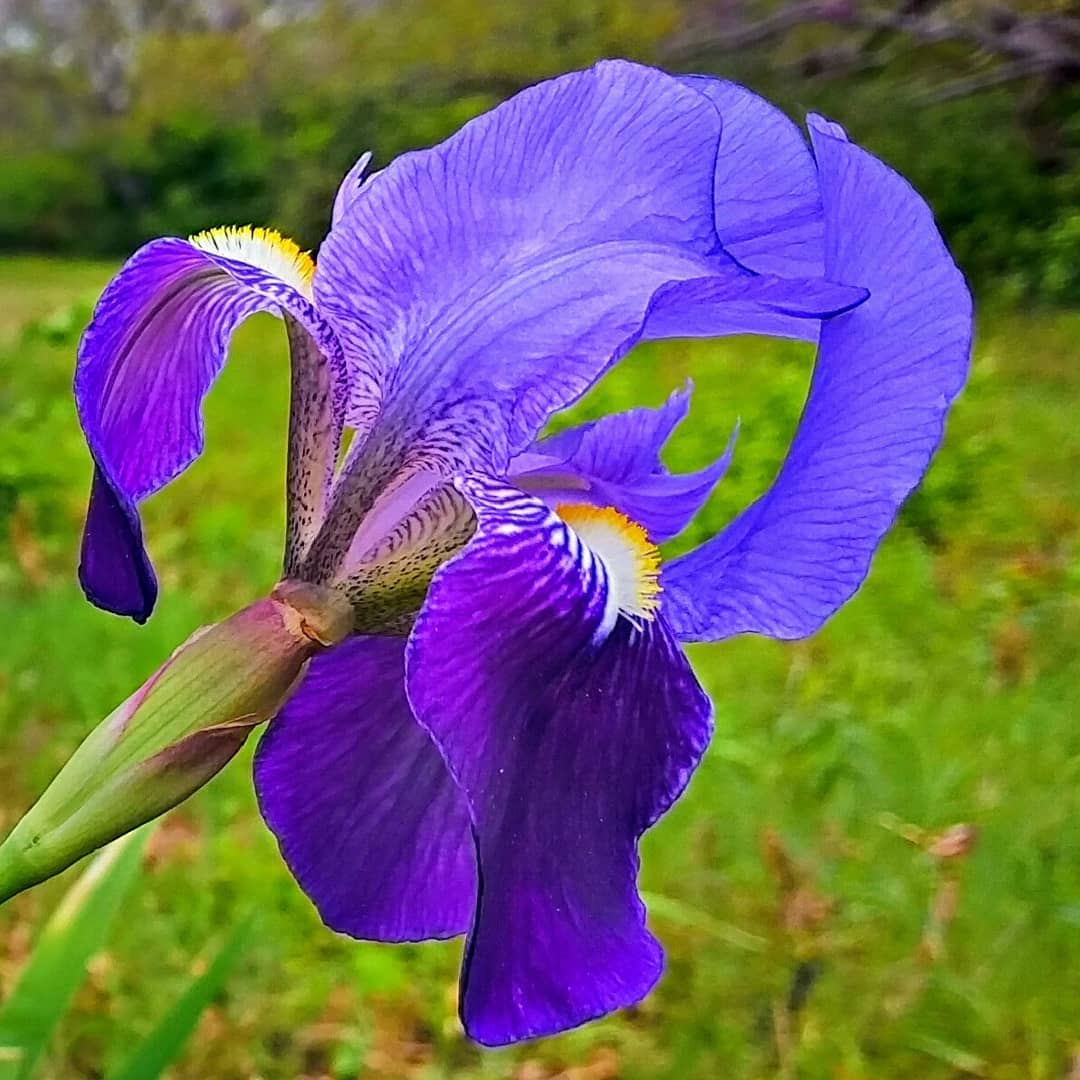
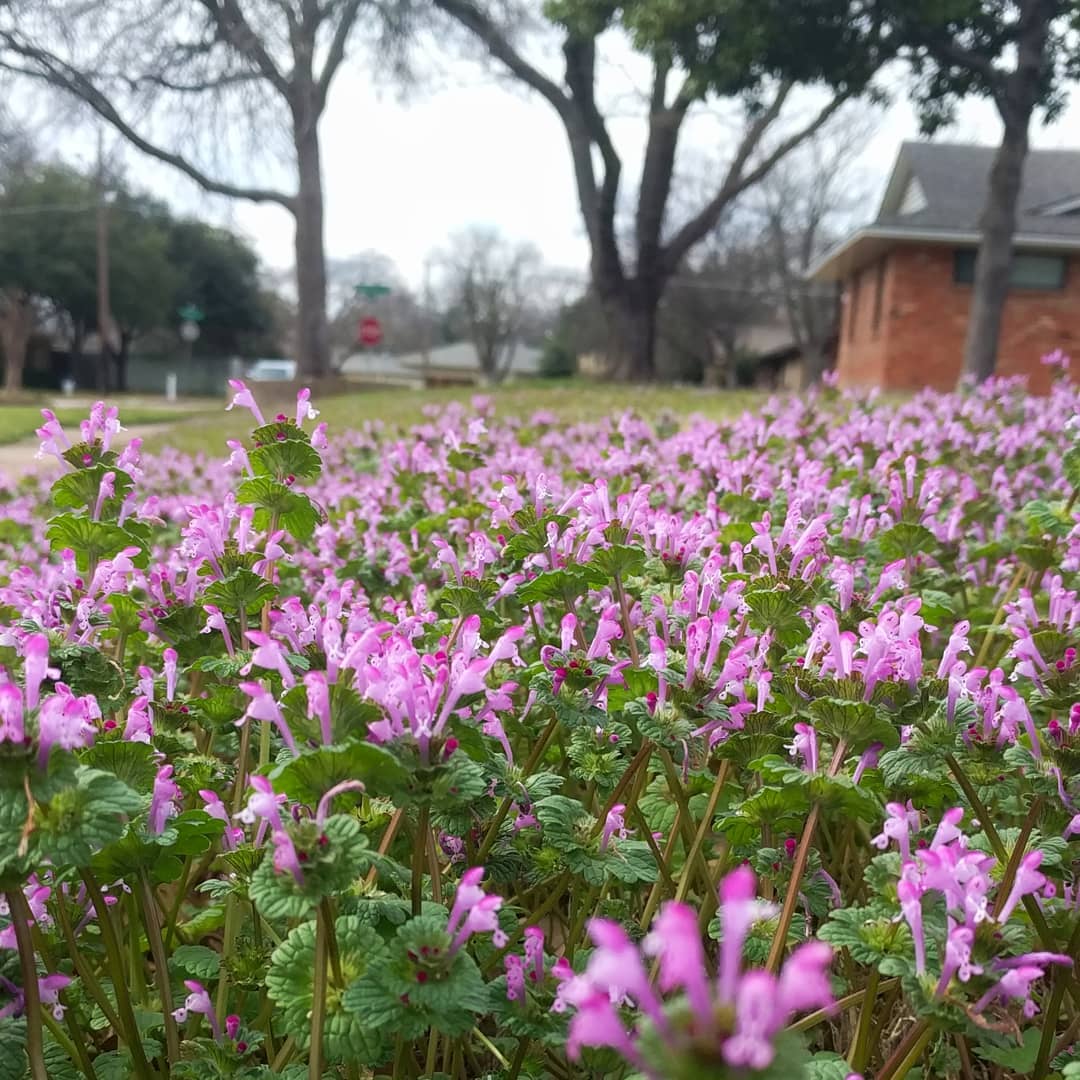
What a beautiful day for walking around White Rock Lake! The temperature was perfect, and all the wildflowers were coming off a couple of cool, moist days. They were ecstatic. With my smartphone, I listened to all of 1 Peter through Jude, backing up several times to listen more carefully to some intriguing passages.
By the end of the hike, I had in mind e.e. cummings’ poem:
*i thank You God for most this amazing
i thank You God for most this amazing
day:for the leaping greenly spirits of trees
and a blue true dream of sky; and for everything
which is natural which is infinite which is yes
(i who have died am alive again today,
and this is the sun’s birthday; this is the birth
day of life and of love and wings: and of the gay
great happening illimitably earth)
how should tasting touching hearing seeing
breathing any–lifted from the no
of all nothing–human merely being
doubt unimaginable You?
(now the ears of my ears awake and
now the eyes of my eyes are opened)
e.e. cummings
1894-1962
For an extra treat, check out this webpage, where cummings’ poetry is discussed, this poem is set to music, and cummings himself reads the poem!
Every year I and some of my best friends do a lightning 4-day trip up to Colorado to climb one of the 54 peaks that are 14,000′ or taller. It’s doubtful we’ll ever climb all of them since we’re getting “old” now. Our 2017 climb was Mount Belford (14,197′). Three of us had climbed Belford in a past year, but wanted to introduce it to new members of our group. On the afternoon after we had lugged our gear up to high camp, I took photos with my smartphone… enough photos to create a “photosphere.” Back in Dallas, I stitched those photos together and produced the following video (it has accompanying music which you may want to hear):
When people see this sort of video, they often assume I was using a drone. In actuality — as I mentioned above — all of the photos were taken with my Google Nexus 6P (Android phone), which I mounted on a small ball head attached to my trekking pole. Try to imagine standing in the absolute center of a sphere, and taking overlapping photos of every “square inch” of the sphere — above, below, and all around. Software called PTGui can automatically stitch all of those photos together into a “photosphere,” which can be further manipulated in other software (InstaStudio 360, Adobe Photoshop, and Adobe Premiere) to produce the trippy kind of movie that you see above. In the case of this particular movie, I was trying to match the phrasing of the soundtrack with the movement in the video. That involved slowing down segments of an intermediate movie to match the music.
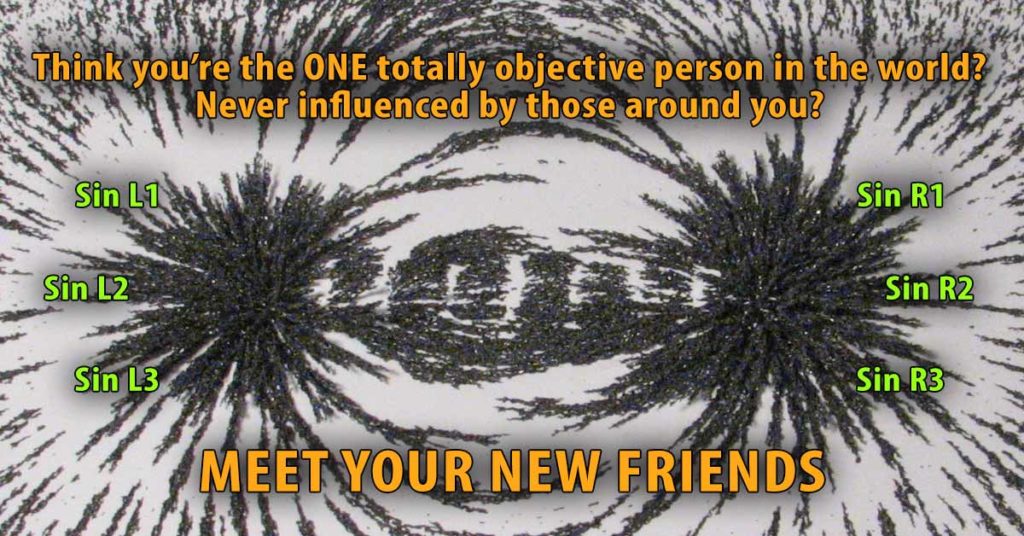
Over the last year, I have done a lot of thinking about how society is increasingly polarized, and how Christians get caught up in that trend. Two or three of my efforts to build bridges have been clumsy, and I regret the damage that did. But I don’t think ANYONE has this totally figured out; even the smartest, most spiritually mature people I know sometimes blunder in this area. We’re all slightly myopic (I prefer that to the unnecessarily harsh “blind”). Here are some illustrations that I came up with in the process:
I’m trying to work out an explanation for why very intelligent Christian friends — some conservative, and some liberal — are consumed with ultimately trivial matters. I think it has something to do with how they feed their minds and hearts. I’ve been guilty myself! How about you?
This is a big part of the problem. We prefer talking to listening, expressing our own ideas to exploring the ideas of others.
I don’t know which is worse. But I do know that there’s a lot of both going on, and it is a part (perhaps small) of what is driving people to the political extremes. Everyone has a voice nowadays, which inevitably means that there’s a lot of nonsense out there. “In the multitude of words there wanteth not sin.” (Proverbs 10:19, in the version I learned as a child)
I made a comment in the wrong context and then removed it. But it’s really how I feel: “I’m getting sick and tired of people liking and sharing every single story that SEEMS to support their side of debates. Reminds me of children in the school yard, yelling “Fight, fight, fight!”” It’s really more sad than anything. I happen to agree with them in some cases, but don’t care to see friends bathing in hatred.
This was for a recent post. The fascinating thing for me is to try to think of what sins I myself might be downplaying because of my allegiance to certain political ideas. Try it for yourself. If you find it repelling to consider what may be prevalent sins on “your side of the aisle” then you may be as snared — or at least influenced — as I am!
This is one of my favorite self-promo videos. It started as a still photo of an eyeball sculpture in downtown Dallas. I manipulated the image in Photoshop and turned it into a video, with music supplied by my friend Marco Ciavolino. Crank up the audio for full effect!
There’s something irresistible about being INSIDE a tree. I knew that early. Reading My Side of the Mountain, I met my kindred spirit, Sam Gribley. At age twelve, Sam ran away from home and survived winter in the Catskill Mountains by living inside a giant hollowed-out hemlock.
My early reading also included Greek myths featuring un-kindred spirits. For instance, there were the Dryads, a form of nymph who lived inside trees. Even Christianly literature, like The Chronicles of Narnia, would harken back to the animation of trees. Mr. Tumnus warns Lucy about the Dryads: “The woods are full of her spies, even some of the trees are on her side.” And then, you have to admit… trees are pretty special in the Bible, from beginning to end.
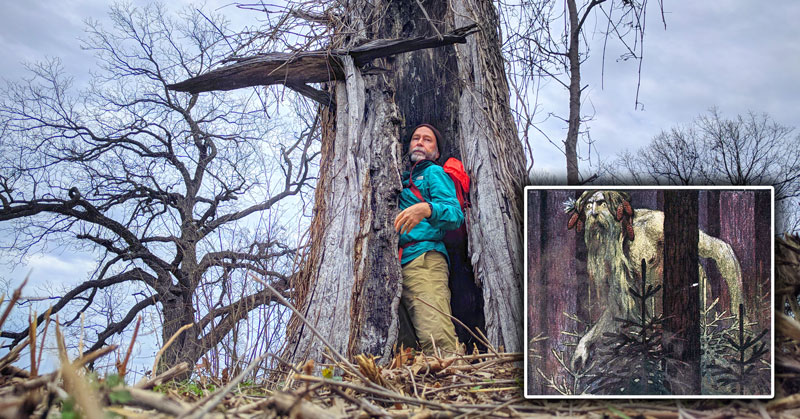
For those reasons — and because I’m part Scottish (my excuse for strange excess) — when I see a giant hollowed-out tree, it still tugs at the little boy brain in my old man body. That happened yesterday. The question was inevitable: “Can I get inside?” One disturbing picture — that I’ll spare you — says, “Yes, I can get inside.” After removing my daypack, I was swallowed whole by an ancient tree at White Rock Lake.
Reviewing tree-related mythology, I encountered a Slavic myth: Leshy. Judge for yourself if Leshy is also a kindred spirit.
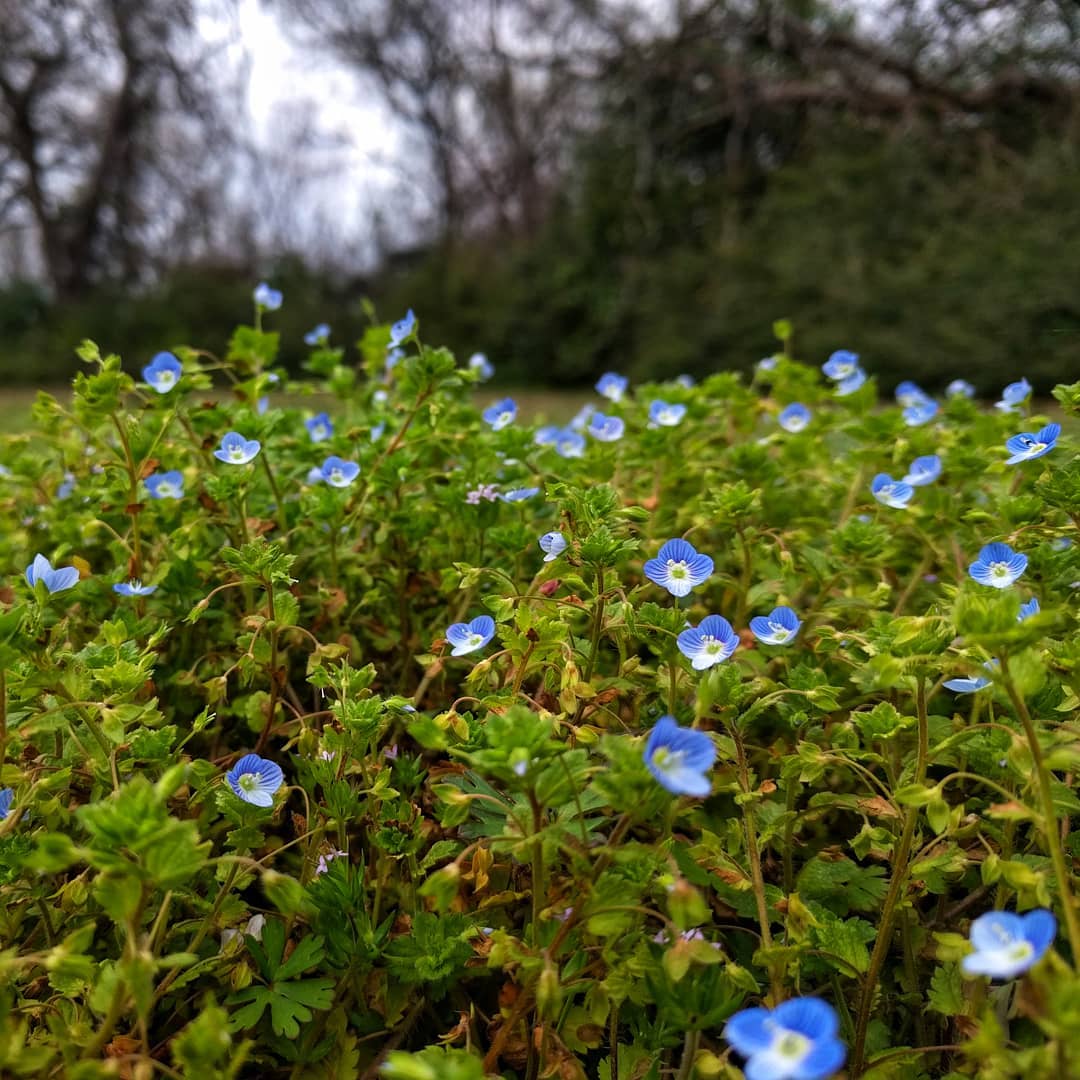
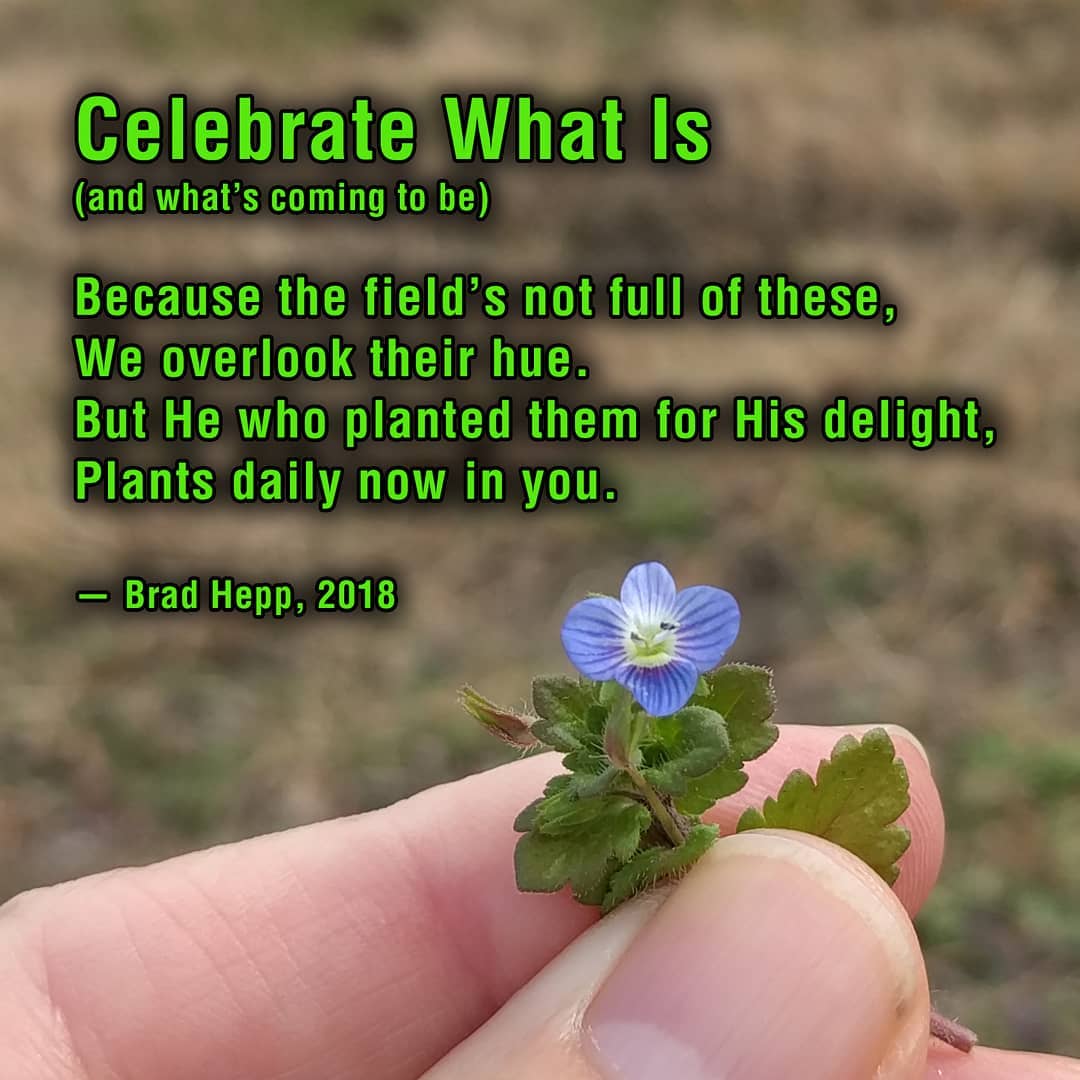
I often think about what the little field critters see as they walk about in this big world. Flowers that are tiny and inconspicuous to us are their daily delight (at least I fancy God has given them some ability to appreciate beauty). CLICK HERE for a poem I wrote when I first noticed this little flower.
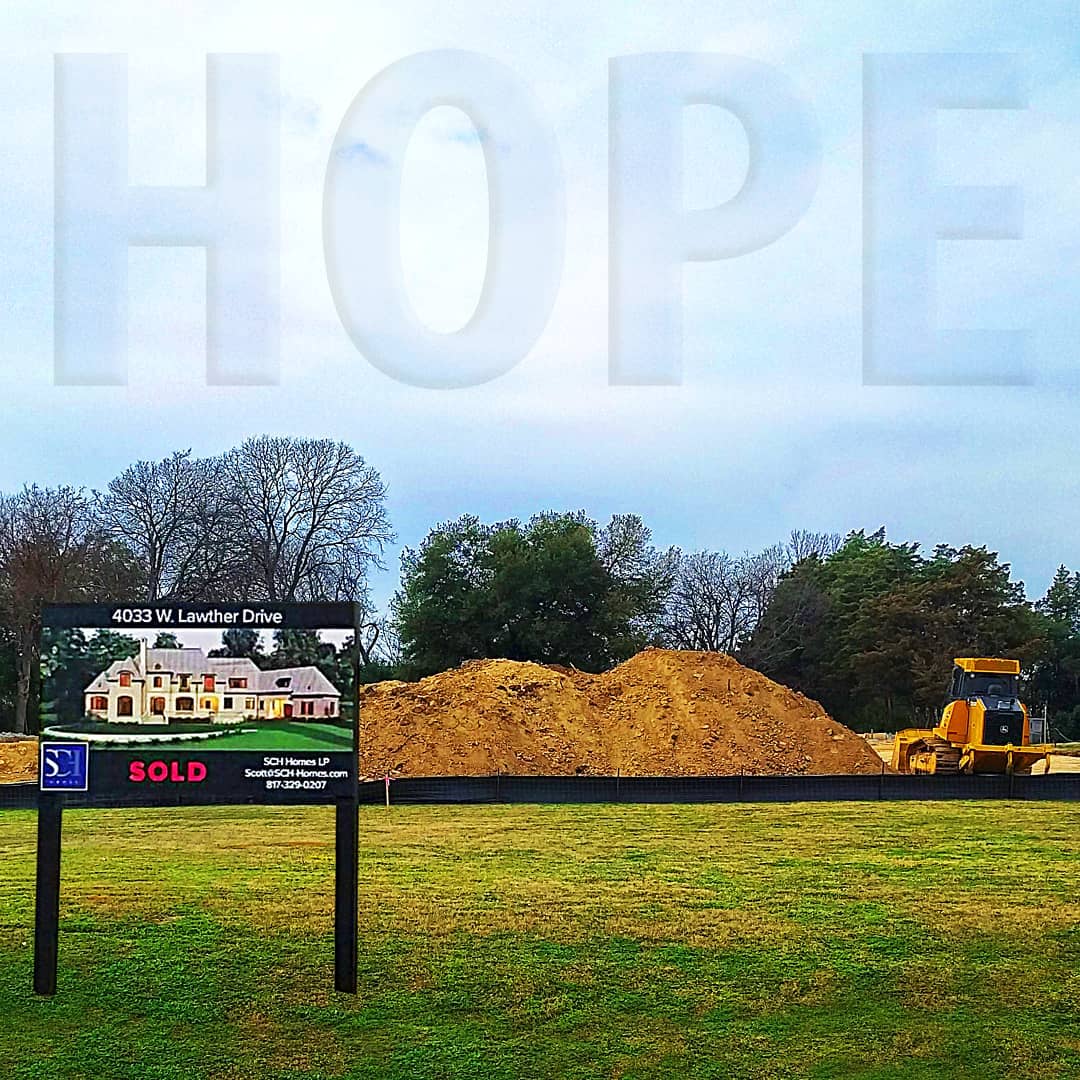
No, this is not my property, or even one I’m photographing for a Realtor. It’s a pile of dirt with a “Sold” sign in front. Whoever bought this pile of dirt has reason to hope for the mansion that will sit there some day. I get it. I too am sold on the HOPE for infinitely better things some endless day.
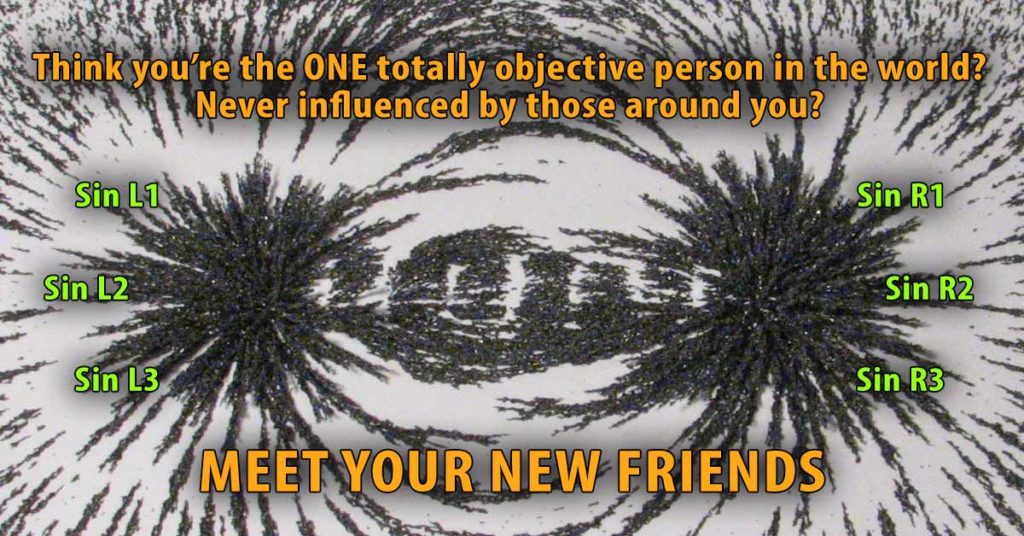
I am just about finished reading an EXCELLENT book by Brian Loritts: Insider Outsider: My Journey as a Stranger in White Evangelicalism and My Hope for Us All. I expect to write more about this book later, but here is a graphic that came to mind while reading this morning. In part, the graphic reflects my gratitude for Loritts’ skillful enlightenment, but it also reflects an insistence on probing deeper for the causes of what Loritts describes.
While Loritts hasn’t touched much on polarization yet in the book, I do think polarization is affecting how readily we embrace one sin or another: if “our side” is for it, then we aren’t going to bad-mouth it, are we? If “our side” is unsympathetic to the suffering of others, then maybe we’ll be just fine with an unloving attitude. If “our side” is for downplaying sexual immorality, then maybe we’ll make sure we aren’t the kind of prudes who are repulsed by sexual immorality.
Reflecting on Loritts’ book also prompted this comment to a friend (how the comment relates to the above is something I haven’t worked out yet, but AM working on!):
I’m trying hard to understand the intersection of Kingdom and culture. That is, which kinds of thinking are RIGHT (aligning with the Kingdom of God), which are WRONG (driven by Satan’s purposes), and which are merely DIFFERENT (benign cultural preferences). In this regard, [name] and I have both found Jonathan Haidt very helpful.
– email to a friend
I know this is undeveloped thinking, but I welcome interaction with friends (and not-yet friends) who would like to reflect on their own journey of self-inspection. How are YOU finding yourself influenced by good, evil, and the indifferent benign*?
*Different from Camus’ “benign indifference?” Let’s think about that…
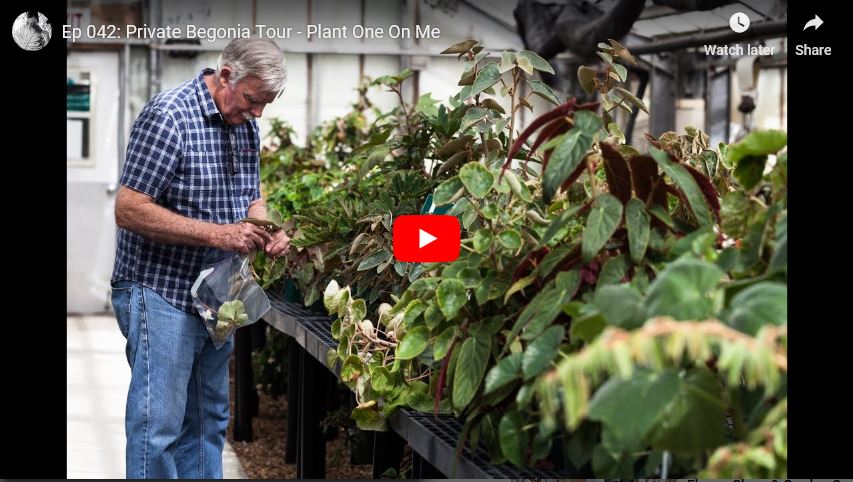
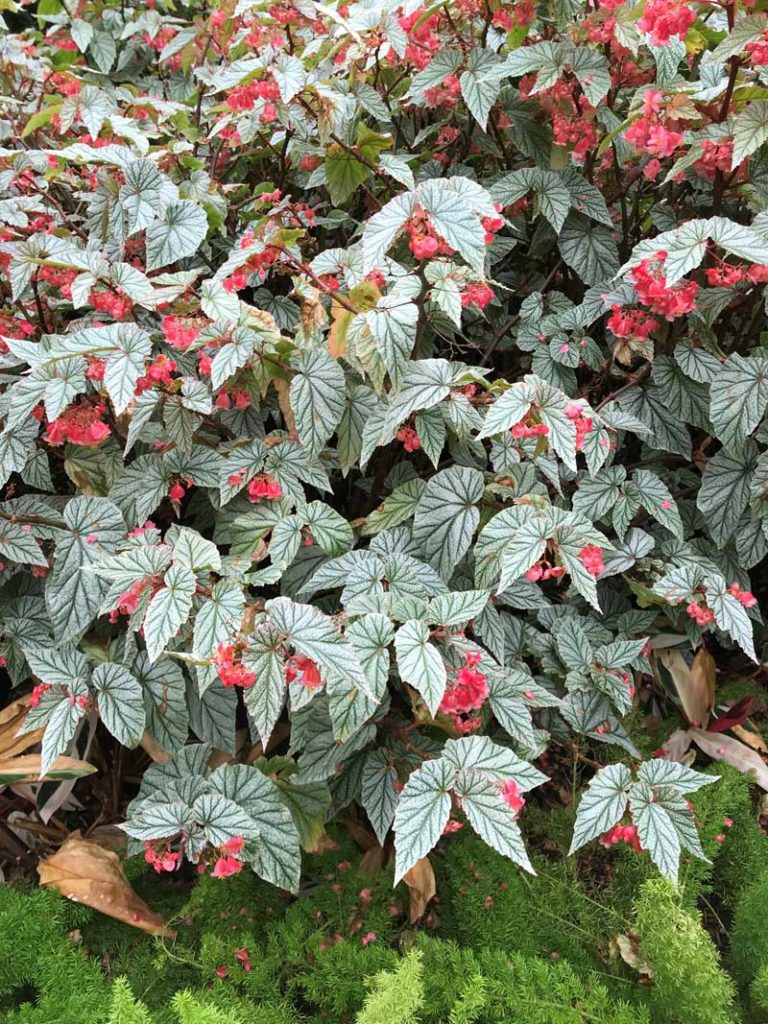
Every year, I take my beautiful begonia next door for my neighbor to prune. Why? Glad you asked. Don Miller (my neighbor) is a nationally-known begonia expert. In fact, the begonia in question is one that a friend of Don’s hybridized and named in his honor. It’s called the “B. ‘Don Miller'” (or I believe some are now calling it the “Frosty” for its silver leaves). This year, he put the trimmed-off stems in a mason jar and assured me that I could easily propagate his plant. We’ll see about the “easily” part.
Here’s the challenge. The cats in my house go bonkers for begonia. If I leave my office door open, one will go over on my right side and distract me by juggling oranges or singing an aria from La Traviata (riveting!) while the other sneaks by me on the left and chows down on begonia leaves. They’ll take turns doing this (or something like it) until all the new leaves are gone. I say “gone.” Actually, the bulimic cat burglar runs out of my office and vomits on the rug as quickly as possible.
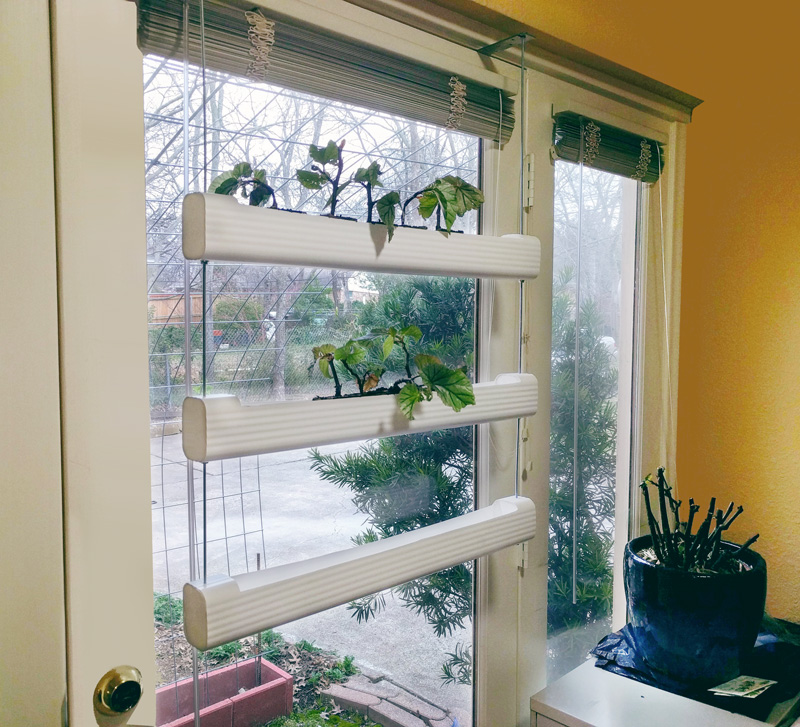
So, here’s the plan this year…. I made these three hanging shelves, suspended from the top of my glass office door using 1/8 inch all-thread. The shelves themselves are made from vinyl gutter downspout. At the ends, they are sealed off with 2″-thick styrofoam that I saved from an Ikea shipping box.
my plant propagation perch
The trimmed begonia branches were given a sprinkling of root starter (my idea, Don may laugh) and planted in little jiffy pots. Way up there, in their propagation perch, there is absolutely NO WAY the tender new plants will be discovered and destroyed by my wicked cats. Soon, the begonias will be ready for regular pots, and I’ll give them to regular families, preferably families who don’t have cats. That’s the plan.
Oh yeah, the part about Don Miller is true. Scroll down for a photo Don forwarded to me. But first, here’s a video I just found (sorry, it isn’t embedded; clicking will take you to YouTube):
Don Miller Video
B. ‘Don Miller’ growing at the Bellingrath Gardens near Mobile, Alabama
This morning, while cooking breakfast, I noticed how beautiful the cooktop is. Last night, Susan must have carefully cleaned it, as she often does. A clean, uncluttered work area is delightful to her. In the words popularized by Marie Kondo, it sparks joy in her. As I look around the kitchen and living room, I see objects that were given to Susan by sisters-in-law and other girl friends. These ladies are world-class experts in sparking joy. They learn what Susan likes, what colors she uses in her decor. They pay attention to what is delightful to her. Over the course of the year, they purchase or make things that match what they know about Susan. Then, on her birthday and Christmas — sooner if they just can’t wait — they give her these joy-sparking gifts. She does the same for them.
Am I learning from my wife and her friends? Do I keep my eyes open for things that would spark joy in Susan? In my own friends? In my boys? In my Savior? By God’s grace, I do occasionally spark joy in others. But, looking around the kitchen this morning, I want to do better. After breakfast, I think I’ll clean off the cooktop. Again. Better than last time.
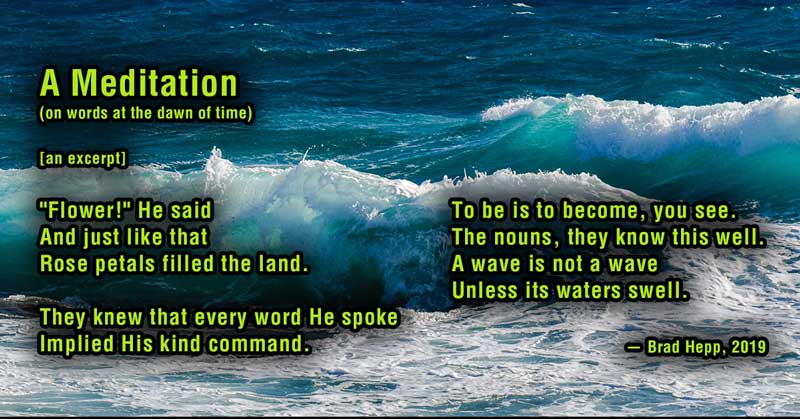
Nounish you may think yourself. Verbose you’re meant to be.
In fullness of Imago Dei, A mystery:
Don’t you see? You speak, And so, thereby, Does HE.
And when thereby He speaks, So, thereby DOES He.
NOTES: I imagine a time — when time began — when nouns were not mere nouns. That was long before anyone thought it necessary or even logical that “actions speak louder than words.” That divorce came later.
What’s implied by the phrase “God IS love?” Indirectly, this poem explores that concept.
March 11, 2019 rumination: On Sunday, I had to do the scripture reading: John 14:8-14. One verse was difficult to read: “10 Don’t you believe that I am in the Father, and that the Father is in me? The words I say to you I do not speak on my own authority. Rather, it is the Father, living in me, who is doing his work.” See that odd juxtaposition? “words I say / Father… doing his work.” Reading this, I couldn’t help but think of the odd last two stanzas of my poem. God does/works through the Son’s speaking. In verse twelve Jesus says, “Very truly I tell you, whoever believes in me will do the works I have been doing, and they will do even greater things than these, because I am going to the Father.” Two verses later, Jesus promises, “You may ask me for anything in my name, and I will do it.” The Father’s doing, Jesus’ doing, our doing all get jumbled up. And the doing is related to saying/asking in unusual ways. I HAVE NOT GOTTEN TO THE BOTTOM OF THIS.
The photograph used in the featured image (shown below, but mainly for social media) was taken by Dimitris Vetsikas, of Cyprus. He generously posted the photograph on Pixabay.
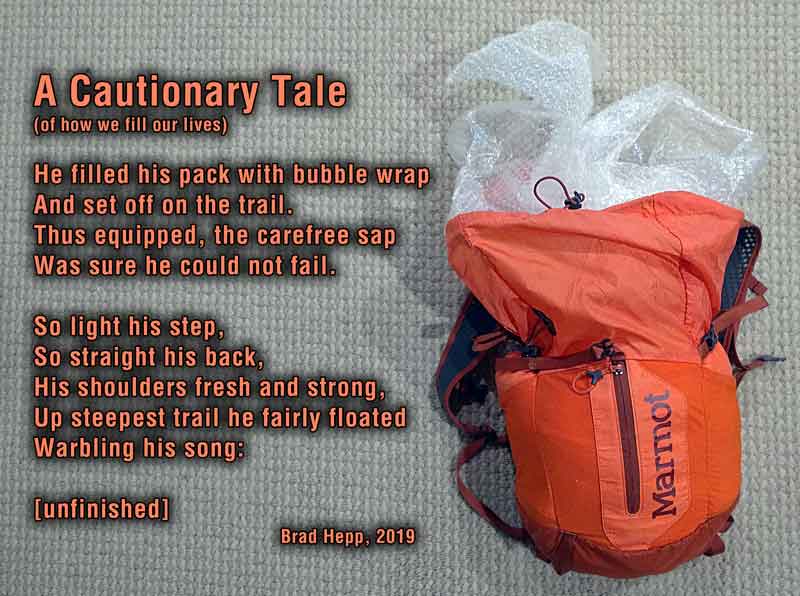
He filled his pack with bubble wrap
And set off on the trail.
Thus equipped, the carefree sap
Was sure he could not fail.
So light his step,
Straight his back,
His shoulders fresh and strong…
Up steepest trail he fairly floated
Warbling his song:
“For times like these I was set free,
So tell me not that I must care
For all your drudgery.
La di da, twiddle dee!
Like all the birds that sing above
For this I was set free!”
Just as the sun
Behind the mountain
Took her cooling plunge,
Approaching alpine glade he sang, “So high and far I’ve come;
Dee dum, dee dum, dee dum!”
Feasting eyes on matted grass
The clever lad observed,
“Here the elk bed down to sleep,
And therefore, so shall I.”
Lying there, in bubbles wrapped,
The lad soon fell asleep.
But wasn’t long into the night
That hunger pains began to gnaw,
Bitter cold to creep.
He reached into his empty pack
In search of something, any? thing?
Of all he did not bring
To serve as food and warmth.
Somewhere
In that frigid night
His soul above him floated,
Warbling her song:
“For times like these I was set free
So tell me not that I must care
For all your drudgery.
La di da, twiddle dee!
Like all the birds that sing above
For this I was set free!”
Then, looking down from whence she’d come, “Die dumb, die dumb, die dumb!
On matted grass, eternal bed,
La he died — twiddle dead.”
– Brad Hepp (2019)
This silly poem was inspired by Psalm 16:2: “I say to the LORD, ‘You are my LORD; I have no good apart from you.'” How much of my day is spent pursuing “good” apart from the Lord, doing things that seem pleasant, but which He has not given me to do? Such folly invites the fate of a mountain climber who chooses to pack only what lightens his load.
As much as he’d probably prefer to deny it, Don Regier helped me with a few of the lines.
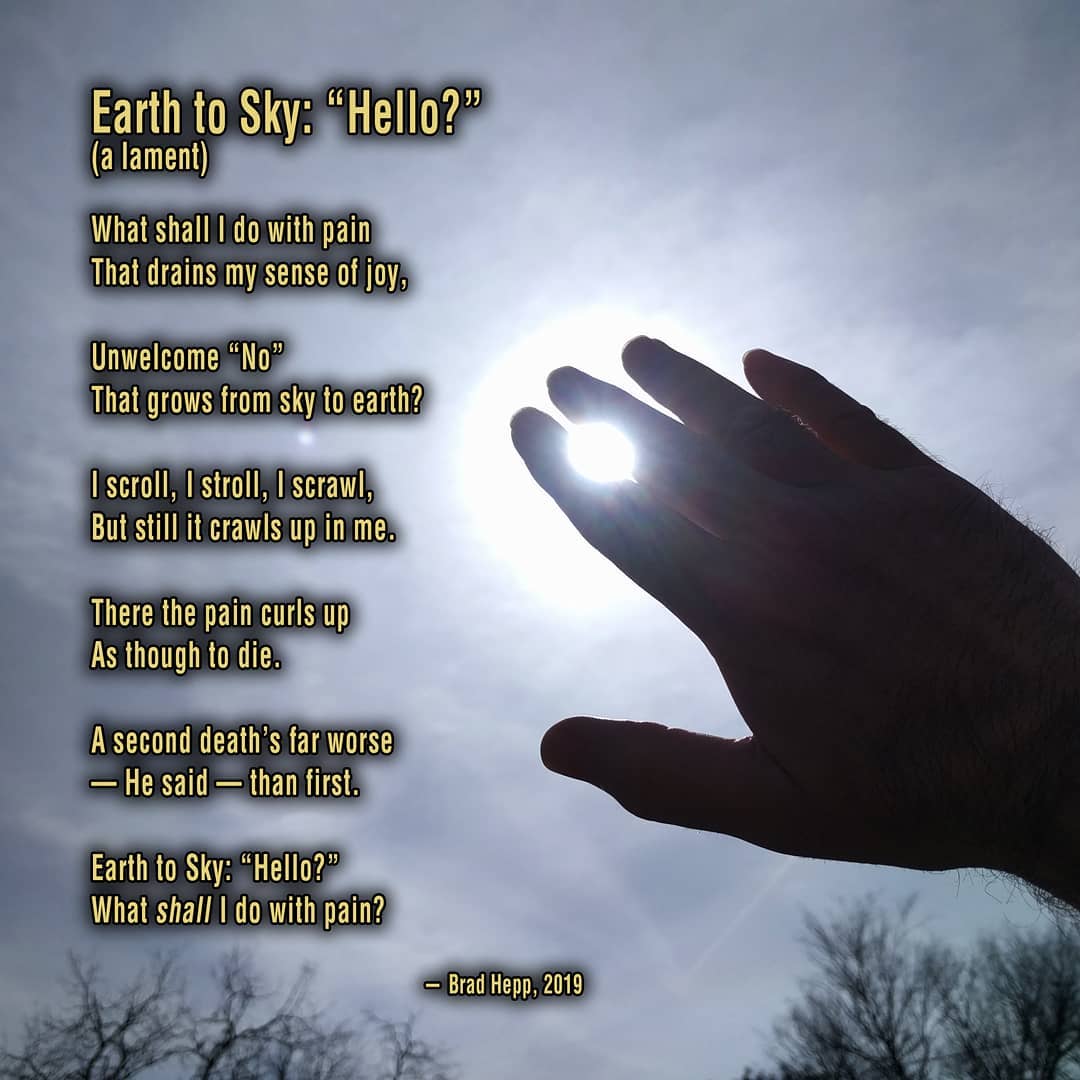
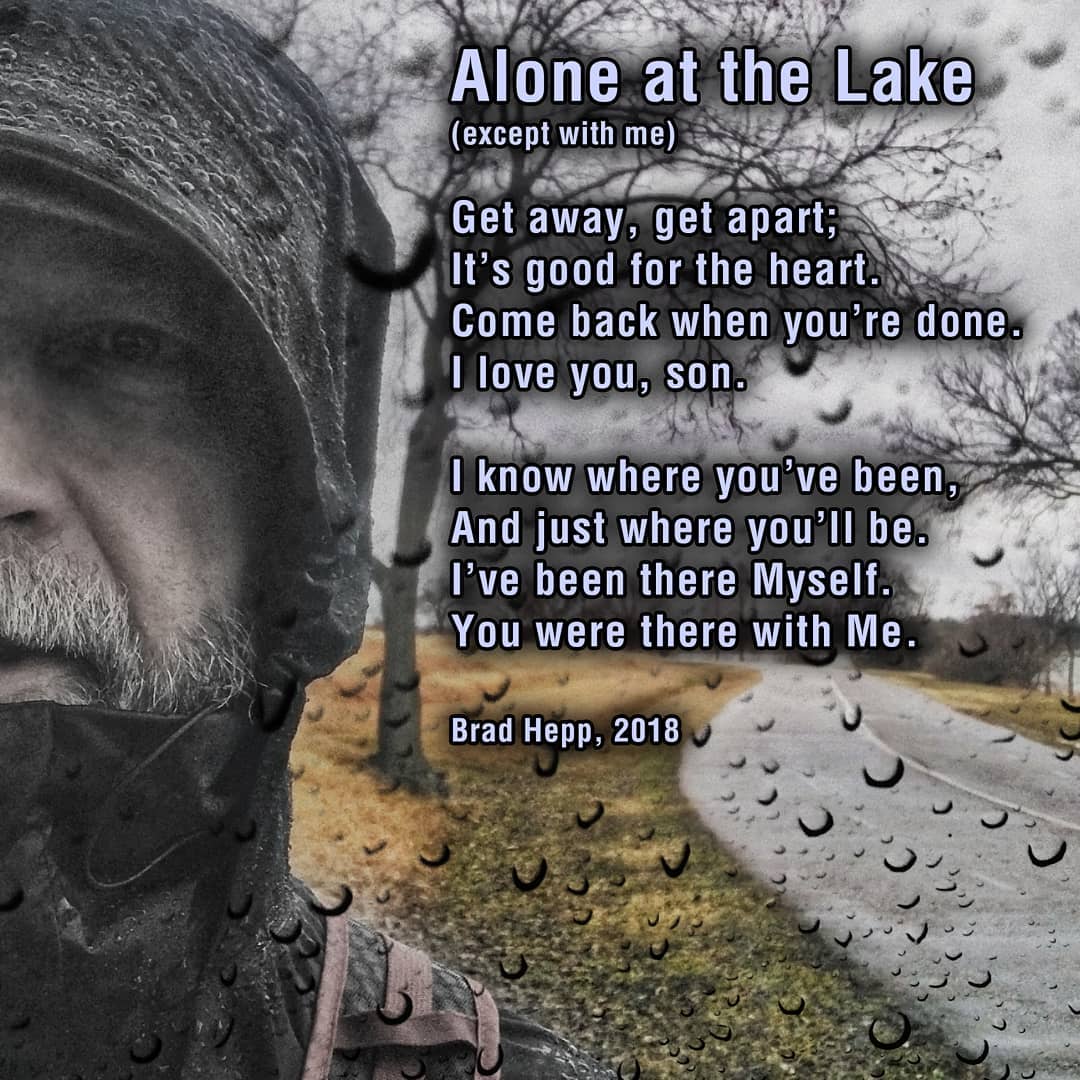
This is a sad time for many I love. The pain is shared and felt deeply, but need not be without purpose.
The poem was a response to what I observed in myself as I contemplated the tragic drowning of a friend’s 4-year-old son. For over a week, I — along with thousands across the globe — was praying for this child to recover. When God did not grant our prayer, I didn’t know quite what to do with my own response. To act as if I didn’t have disappointment was surely not healthy. Elephants in the rooms I share with ever-present God are silly creatures. Some response — if merely a poem of lament — was necessary.
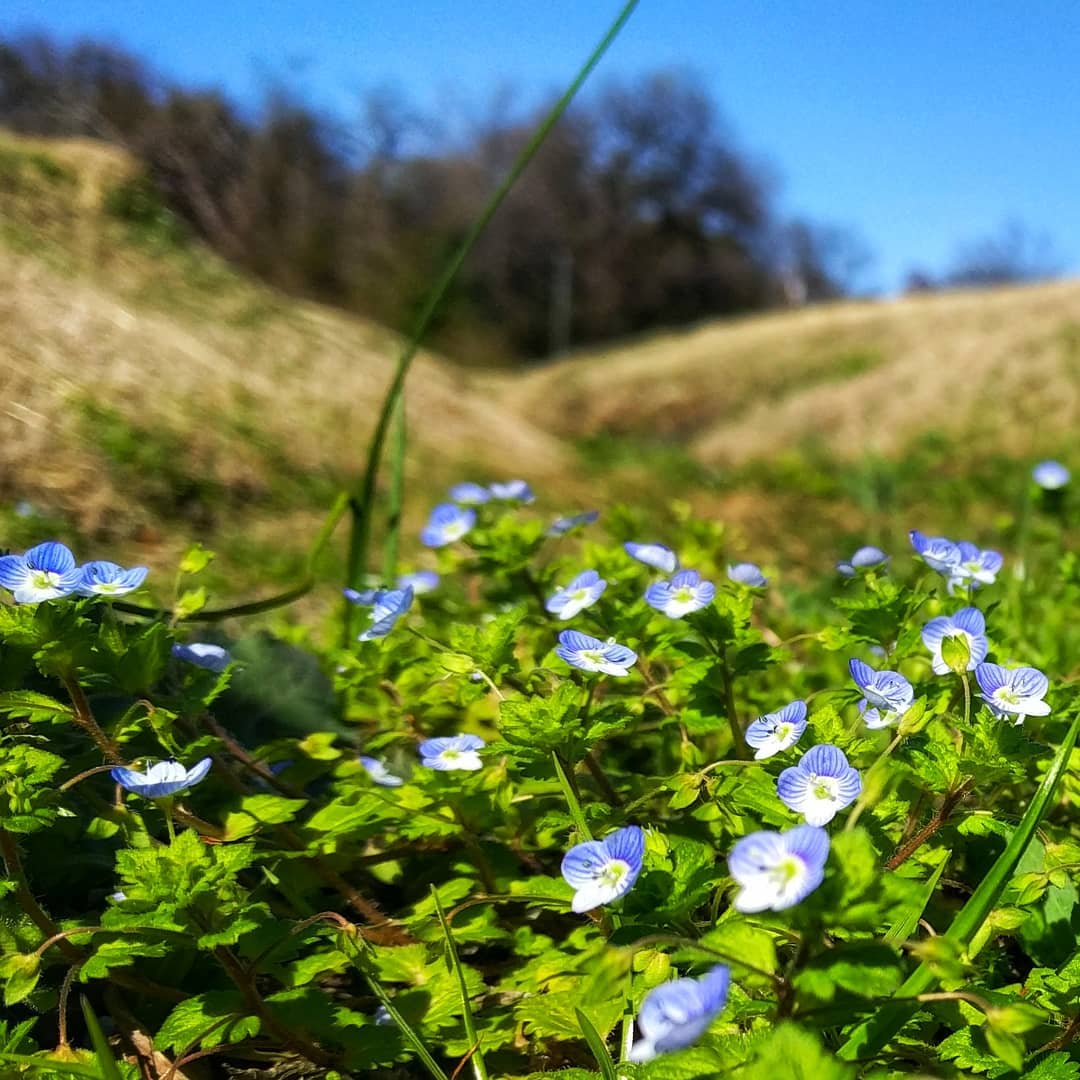
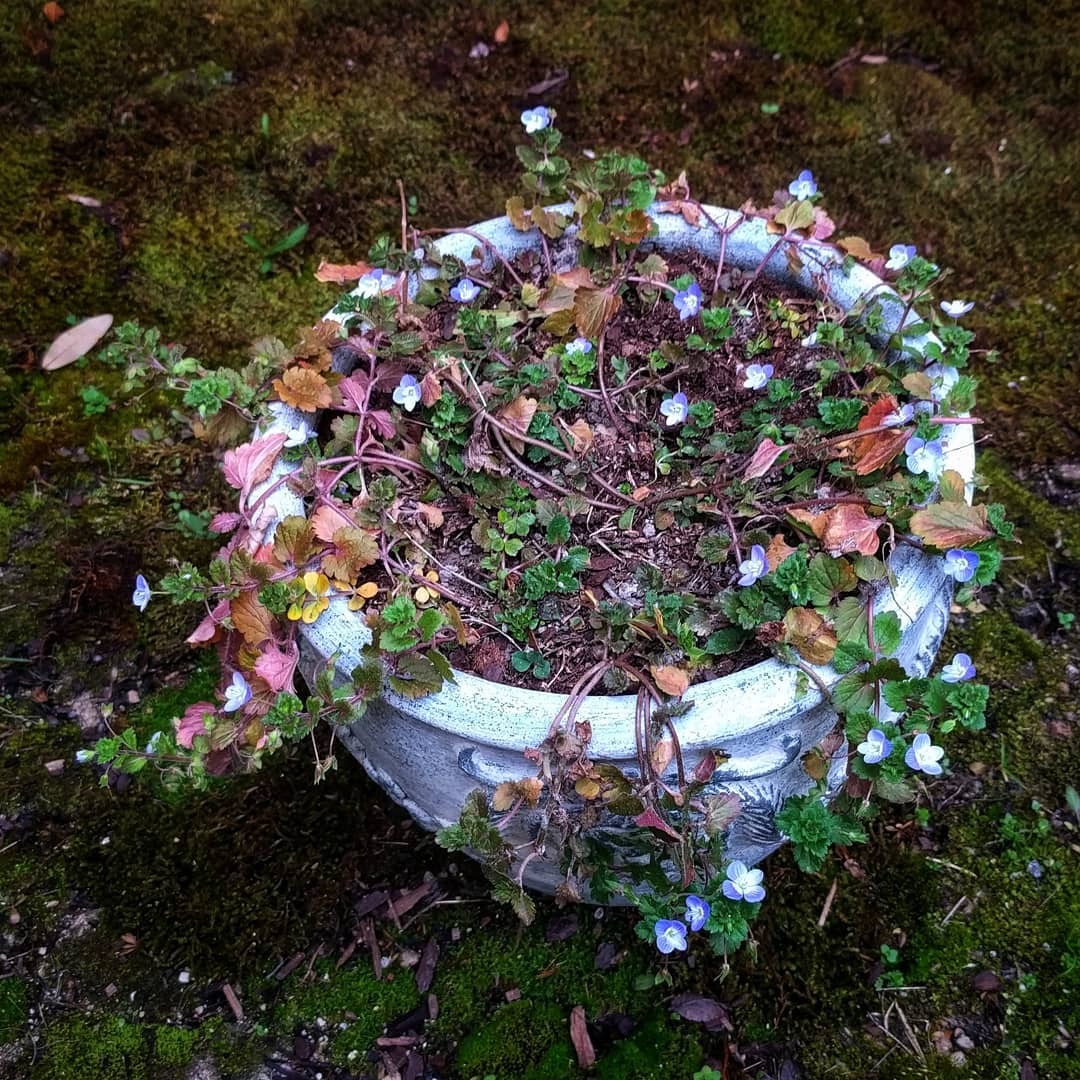
These are Buxbaum’s Speedwell plants collected from the field and assembled in one pot. The photograph itself is nothing to be proud of. In fact, as I wrote on Facebook, people who don’t read my poetry (and even those who DO) may think I’ve lost my mind. A pot of wildflowers. What’s up with that? “Humor him, he’s nutty.” See my poem “Celebrate What Is!“
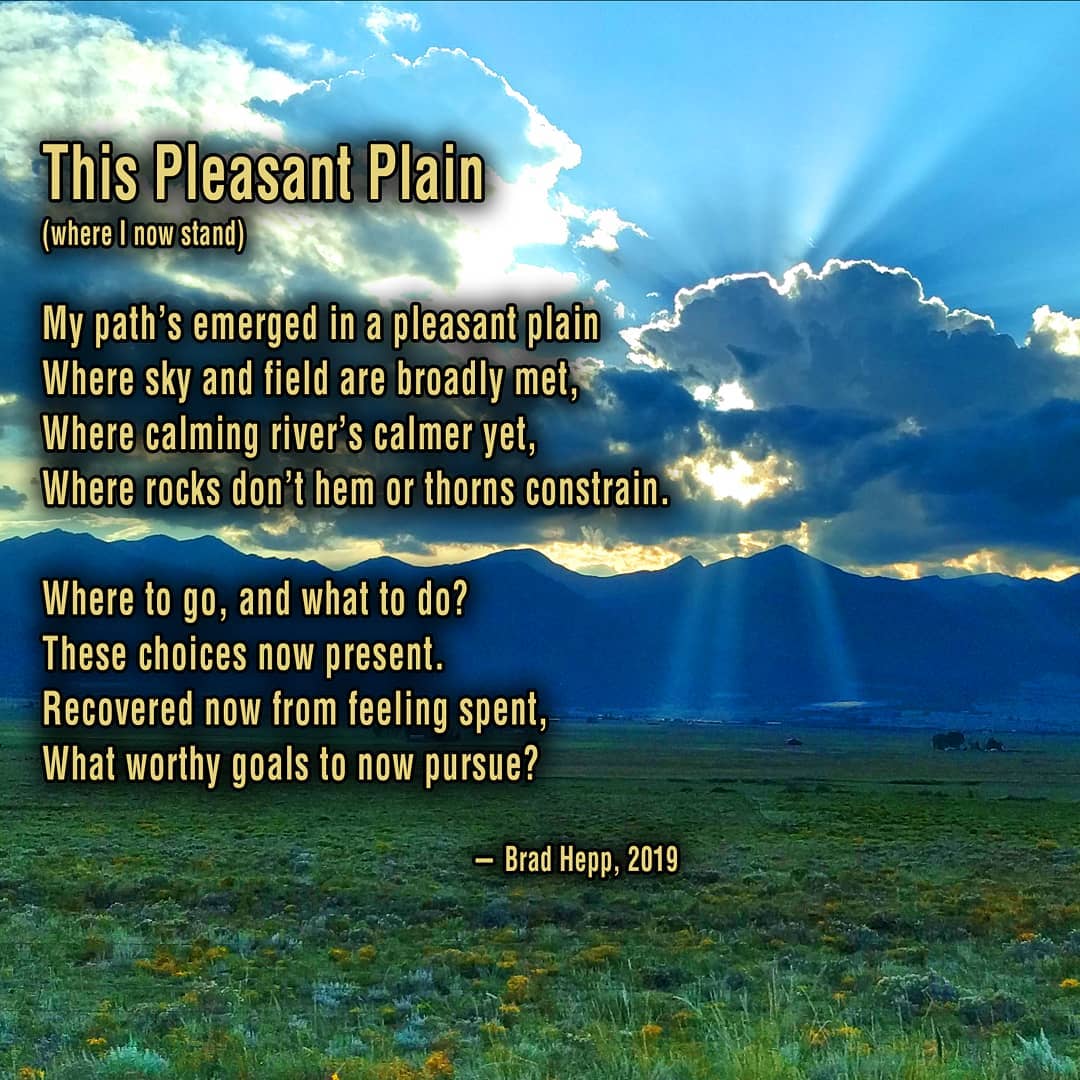
This evening, I leaned heavily on a friend for his perspective and advice. As with all wise men, he listened as much as he talked. Good questions are hard to formulate; good answers, harder still. The photo is of the Sangre de Cristos, taken on the return from one of my many mountain-climbing trips.
I read the poem to my friend. As a veteran of many climbs, he recognized the imagery. More importantly, as a veteran of the deepest valleys he recognized questions and opportunity that come when we reach inflection points in life.
For note, when evening shuts,
A certain moment cuts
The deed off, calls the glory from the grey:
A whisper from the west
Shoots—”Add this to the rest,
Take it and try its worth: here dies another day.”
It was wet, cold, and windy at the lake today… almost as good as a hike in the mountains.
This is a poem that took its own shape as I wrote… NOT what I set out to write. In the small group materials that Dave Carr and Sten-Erik Armitage prepared for our church, they quoted Alvin Plantinga articulating this striking truth: “The chief difference between Christianity and the other theistic religions lies just here: the God of Christianity is willing to enter into and share the sufferings of his creatures, in order to redeem them and his world. Of course this doesn’t answer the question why does God permit evil? But it helps the Christian trust God as a loving father, no matter what ills befall him.” That’s a truth I need to reflect on more often and more deeply.
Nothing gets our cats more excited than the process of making the bed. Their favorite part is getting under the sheets or blankets. Is it the warmth? The thought that they are frustrating the humans? Who knows. They’re cats.
When I go for walks in the winter, I’m impressed with little flowers like this one: Buxbaum’s Speedwell. Now THAT’S a flower name for you! Its very name conveys a positive spirit.
In a Dallas Seminary Romans course we were in chapter 8, and Dr. Grassmick said to the class of about 20 seminarians, “Raise your hand if you are led by the Spirit of God.” Only three had the temerity to raise their hands. Three out of 20 SEMINARIANS, men (it would be men and women now) who were spending their lives studying God’s word and preparing to lead others in the spiritual life. Were the 17 who did not raise their hands REALLY not led by the Spirit of God? Were they simply humble? Or were they — what I suspect, and am trying to process — failing to recognize and celebrate the ways in which the Spirit was indeed leading them? Even in the dead of winter, buds begin to form. One can lament the cold, or one can notice and celebrate the signs of life. I want to CELEBRATE WHAT IS. Yes, I’m still a sinner. The glass IS sometimes four-fifths empty. But THANK GOD, the glass IS one-fifth full!
I won’t blame the speaker I had just heard for this musing. While we may not understand those who hurt, we can at least listen. That was his point. But there’s a point beyond his point. As is the case with most of my current poems, the key to my meaning is in the parenthesis. Much that we experience now is incomprehensible. Physical and emotional pain is allowed by God, even in the lives of His own. Why? For now, the answer is not given — there is silence. But one day, we’ll learn how His glory is heralded even by the seemingly negative things He currently allows.