The Horse Apples Cairn
a digital commonplace book
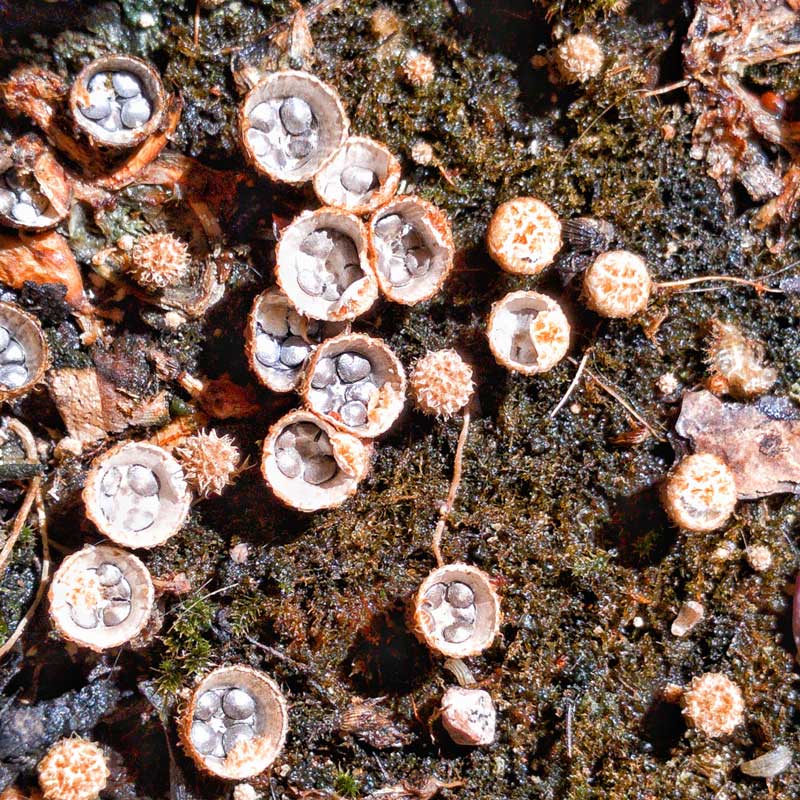
Removing detritus from the moss garden, I found these “bird’s-nest fungi, aka “splash cups.” I read that they get their name from the fact that falling rain splashes out the silver peridioles (spores). Last year, I found some and wrote the poem “Earth Trumpets.” (https://www.bhepp.us/2018/11/earth-trumpets/)
This little video is based on a photosphere my Pixel 3a put together. I used Theta+ to direct where the viewer “looks.” There are smoother presets, but I had specific things I wanted to draw to the viewer’s attention.
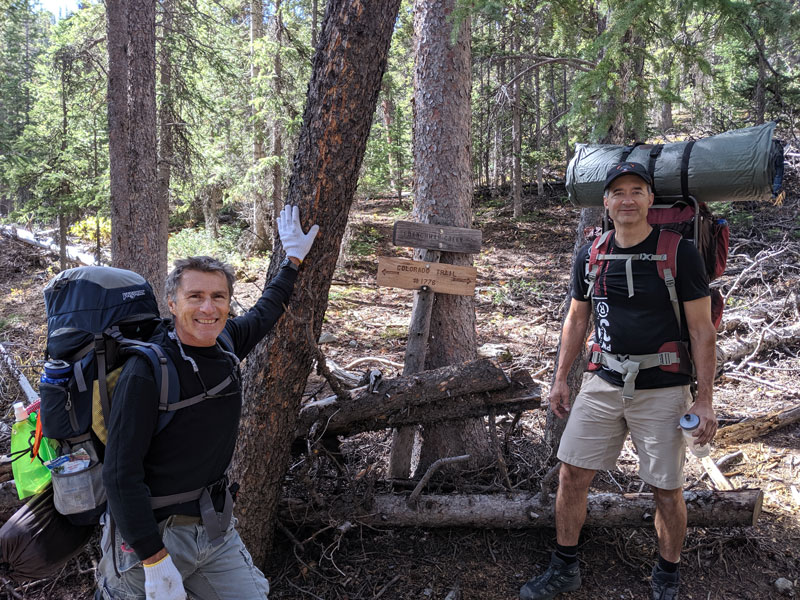
As I refine my understanding of God’s goodness over my life (one of the main benefits of our church’s Community Foundation small groups), I MUST consider the powerful influence of godly friends. This last weekend, that was Tom Newcomer and Darol Klawetter. On our annual mountain climb, we failed to actually summit Mount Columbia (due in large part to my poor preparation), but we SUCCEEDED in inspiring one another to be more faithful followers of Jesus Christ. The potential of positive elder-like influence on the part of everyone in the church is a large part of the vision Sten-Erik Armitage left with us in Sunday’s sermon on Titus 1:5-9. (https://www.redeemerbiblechurch.org/sermons/life-goals/ WORTH LISTENING TO despite some minor audio problems).
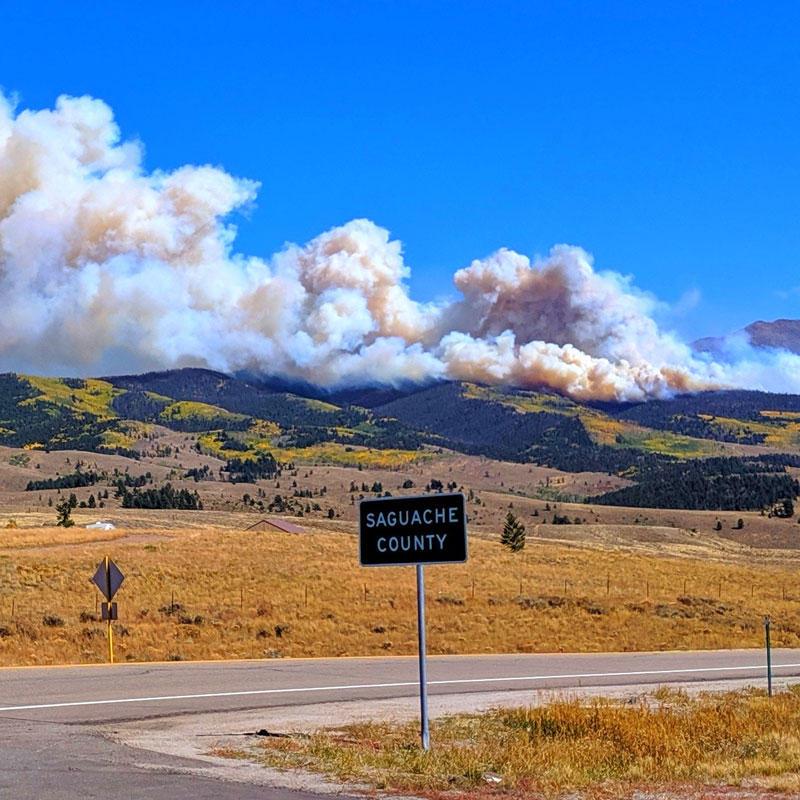
We passed by the Decker Fire yesterday, driving from Buena Vista toward Alamosa. Read about it HERE.
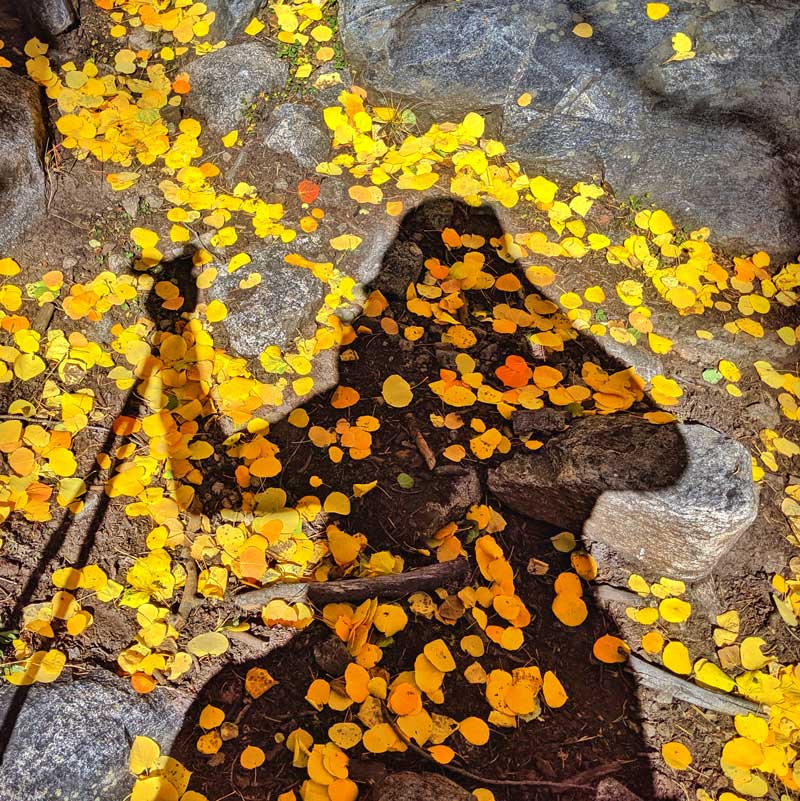
I took this picture of my shadow over fallen Aspen leaves while descending from high camp under Mount Columbia. While I still haven’t figured out what that “caboose” is at the back of my shadow, I’m going with a more whimsical interpretation: this is the shadow of a centaur with trecking poles!
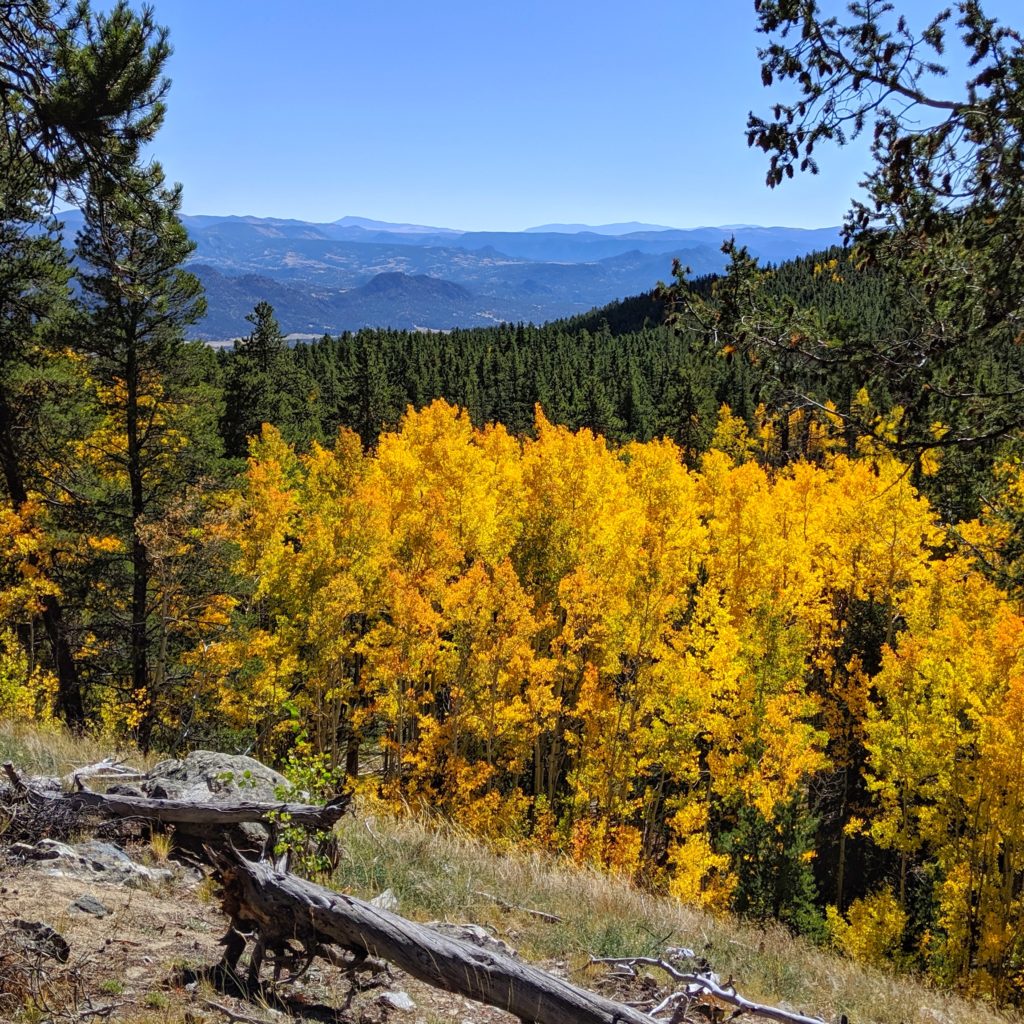
Early this morning, we crawled out of our warm sleeping bags. The temperature was right at freezing, and a stiff breeze never died off in the hours of darkness. During the night, I had decided that I should not summit with my two climbing buddies. Whether from sympathy or prudence, they decided none of us would summit. Mount Columbia remains on our list of 14ers to climb.
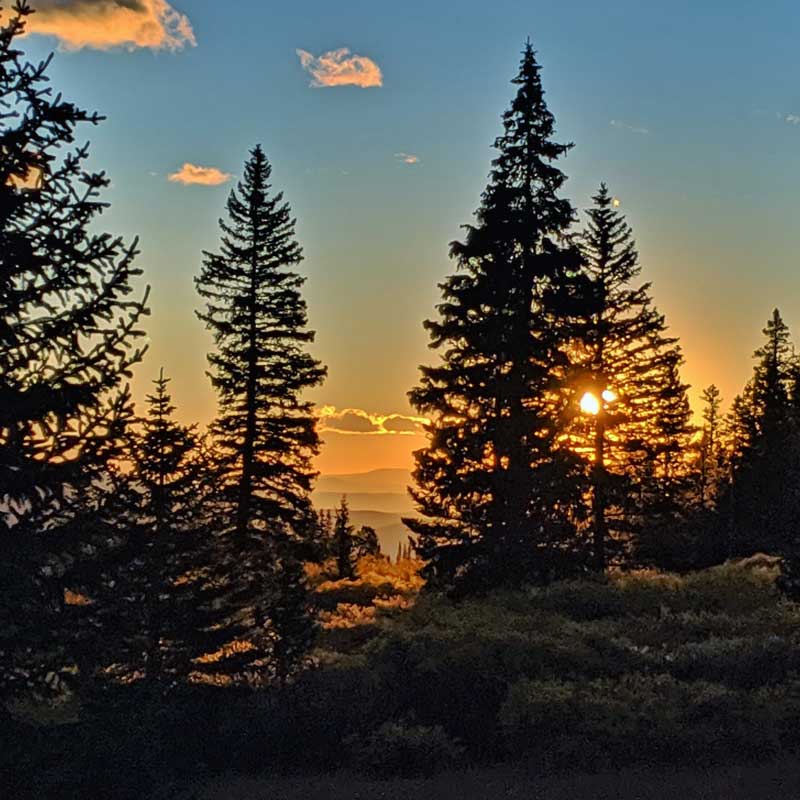
It was a beautiful morning nonetheless.
We know these people. Sometimes we are these people.
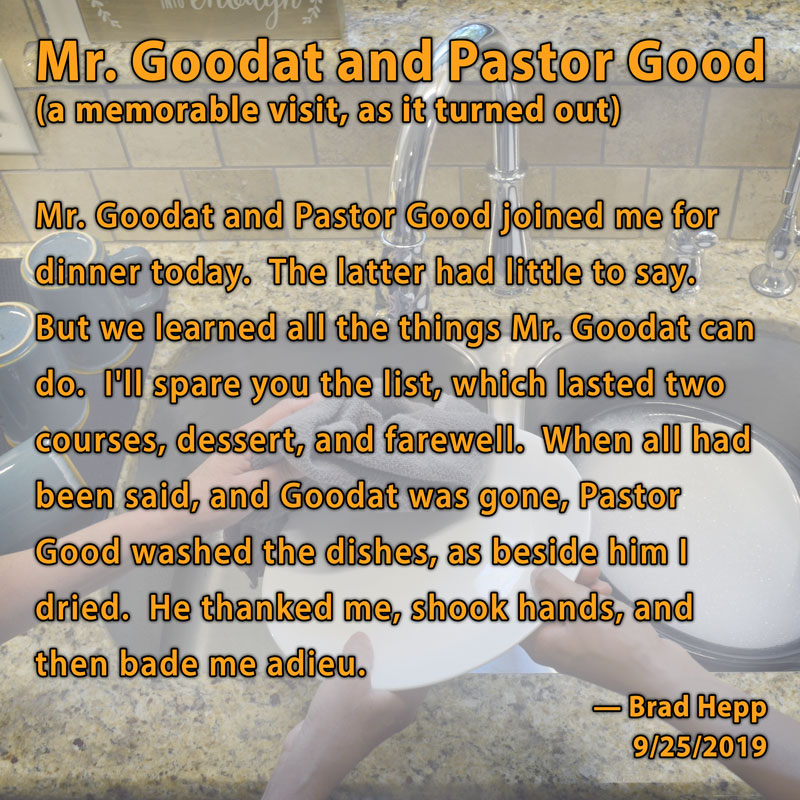
I like this little piece, and I must laugh because as is sometimes the case, I seem to be one of the few people who likes it! Why do I laugh? Here is something I’ll have to explore: when I write something that gets good response, there’s a sense in which it belongs to the readers; when it’s something that does not get a good response, even though I like it, it remains my “private stash.” As I said more than once to my sons in their youth: “Oh, you don’t like it? Good. There’s more for me!”
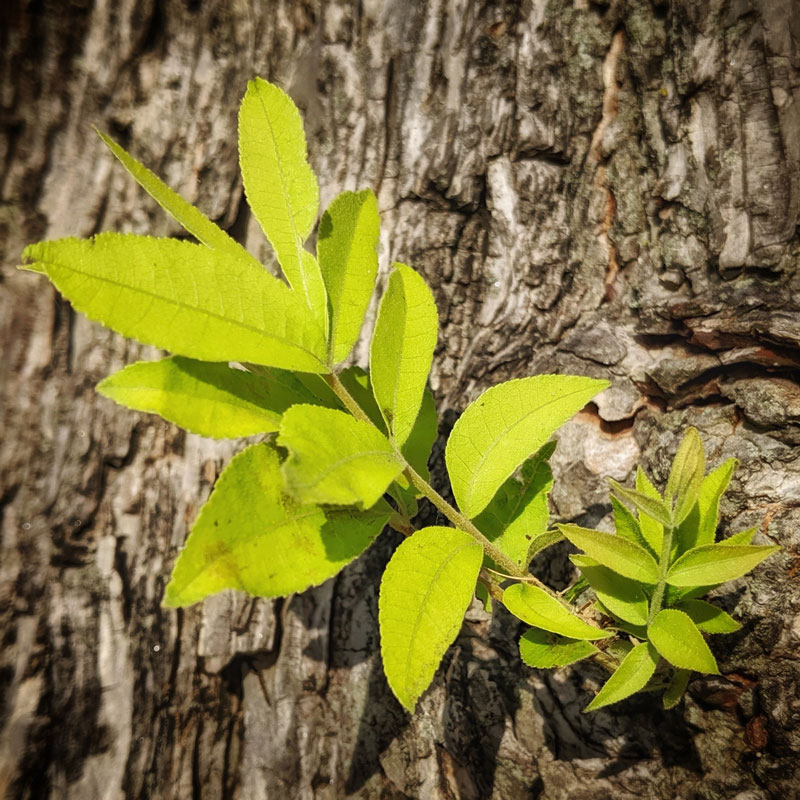
I have not been able to identify these yet.
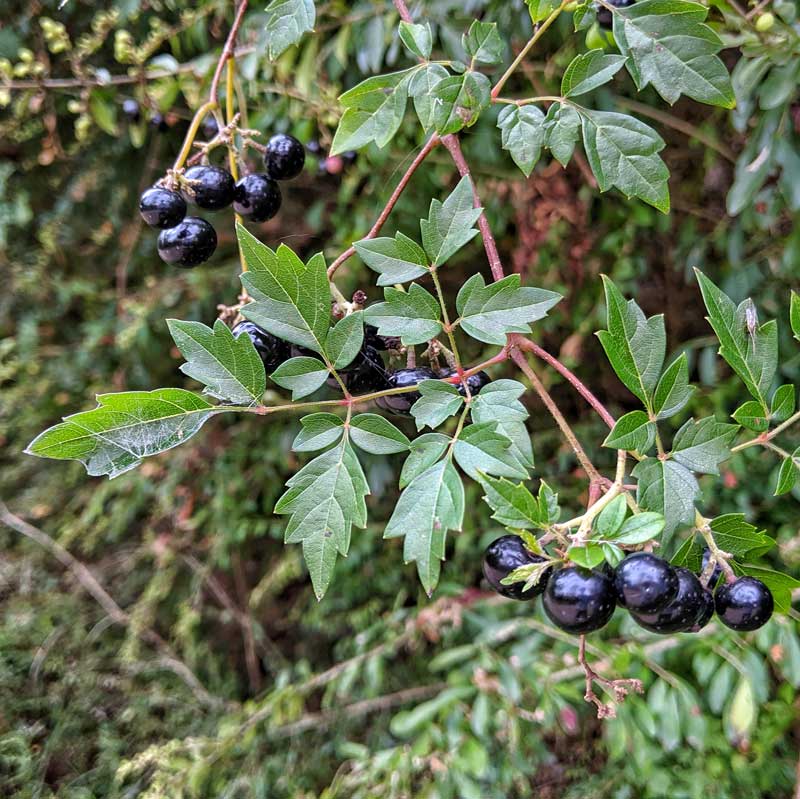
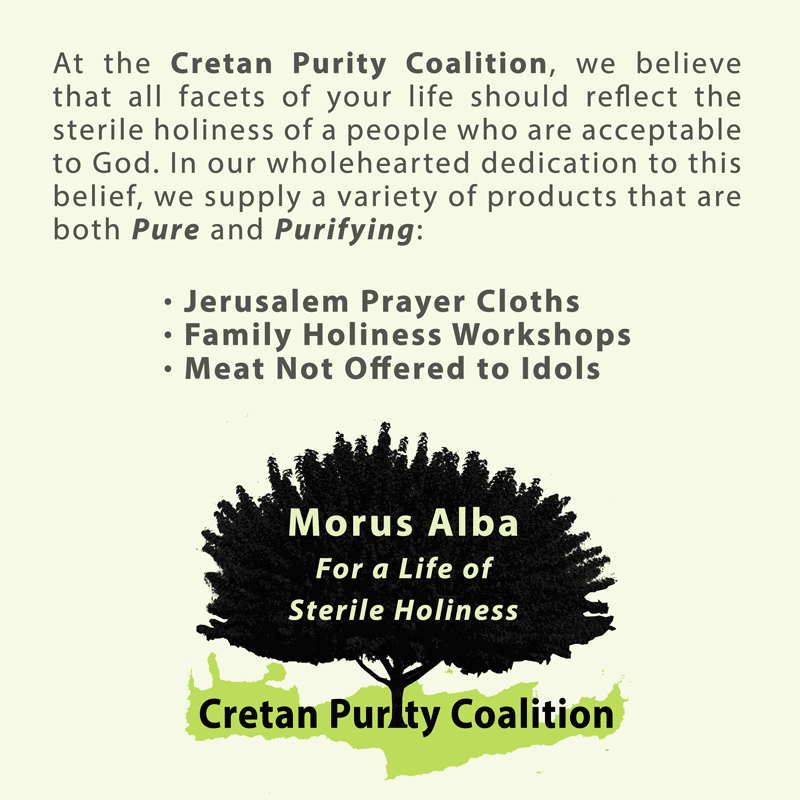
NOTE: This tongue-in-cheek illustration reflects how I’m pondering the book of Titus.
Since my pastor* has begun a series of sermons on Paul’s letter to Titus, I have been contemplating this book. One of the mysteries (to me) that most commentators (at least those I have read) skip right over is how the false teachers (1:10-16) were deriving “dishonest gain” from their teaching. Was this financial gain? If so, how?
Paul seems to contrast what they were “selling” to the fact that “To the pure all things are pure, but to the defiled and unbelieving, nothing is pure.” In the next chapter, Paul remarks that Jesus Christ “gave himself for us to redeem us from all lawlessness and to purify for himself a people for his own possession who are zealous for good works.” Purity—fruitful purity—was in view. It was anything BUT sterile holiness.
By the way, “Morus alba” is the scientific name for the Fruitless Mulberry. If you have ever stood under a FRUITING Mulberry in early summer, you know how messy they can be. The juicy red and black berries fall to the ground, making ugly splats. Birds eat the berries and then make colorful deposits on parked cars. I like to play around with why my imaginary Cretan Purity Coalition would use the non-messy “fruitless” variety of this tree in their logo….
*Any similarity to Sten-Erik Armitage’s Titus sermon series graphic was accidental (at least on a conscious level).
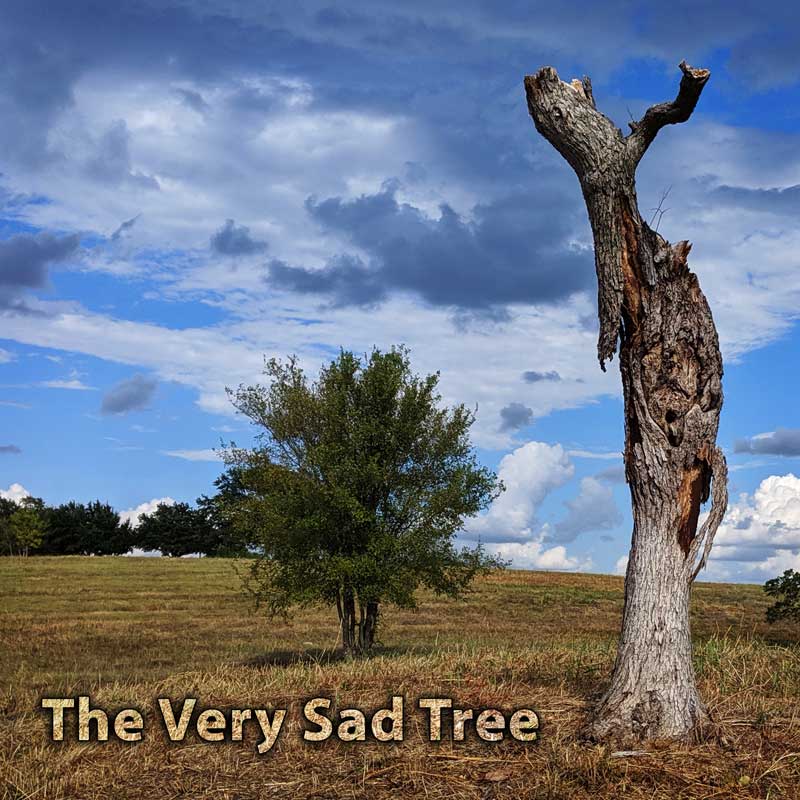
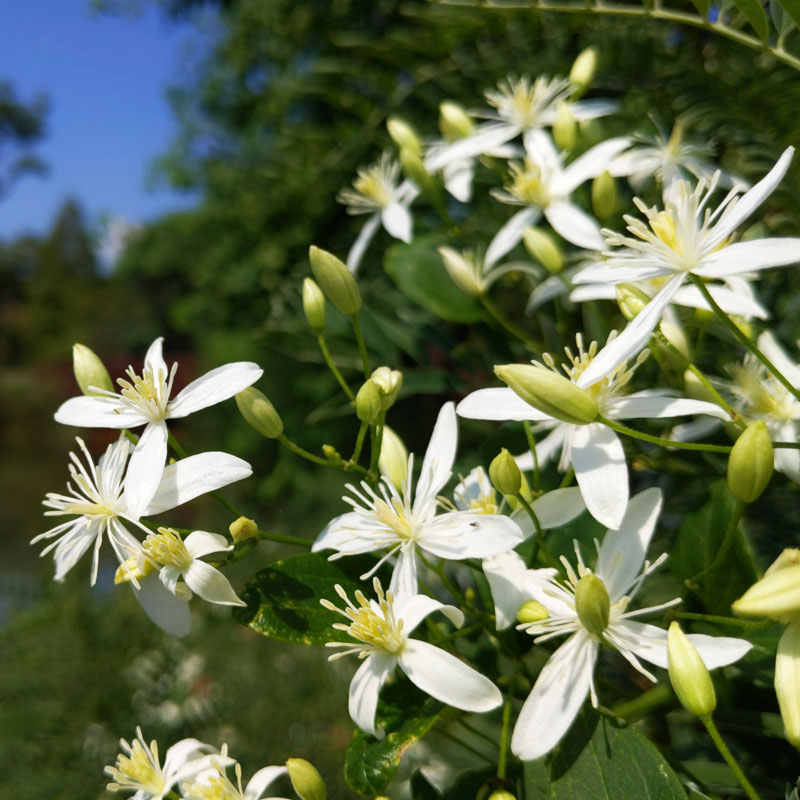
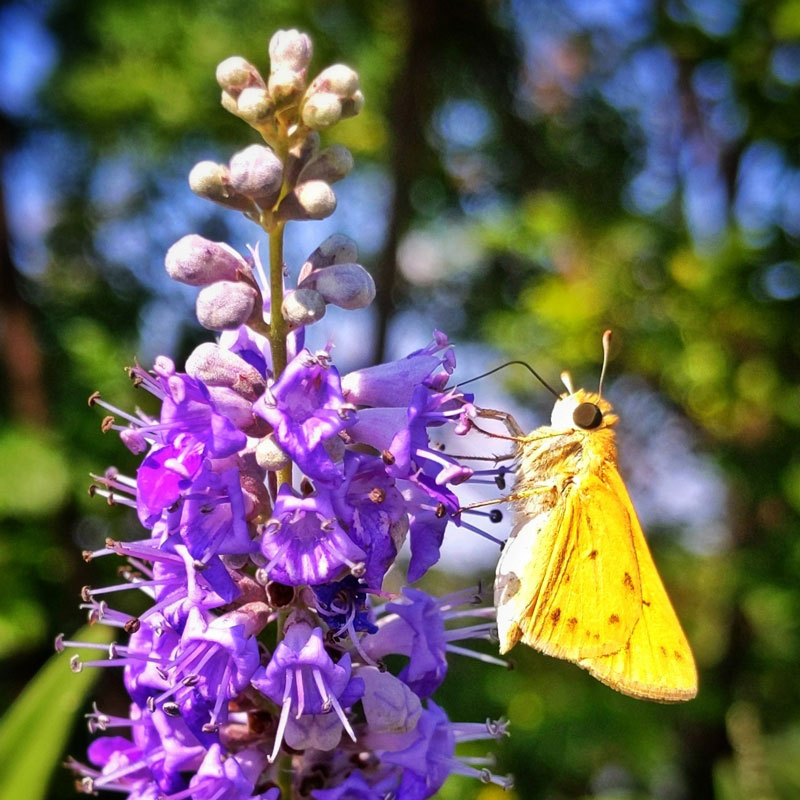
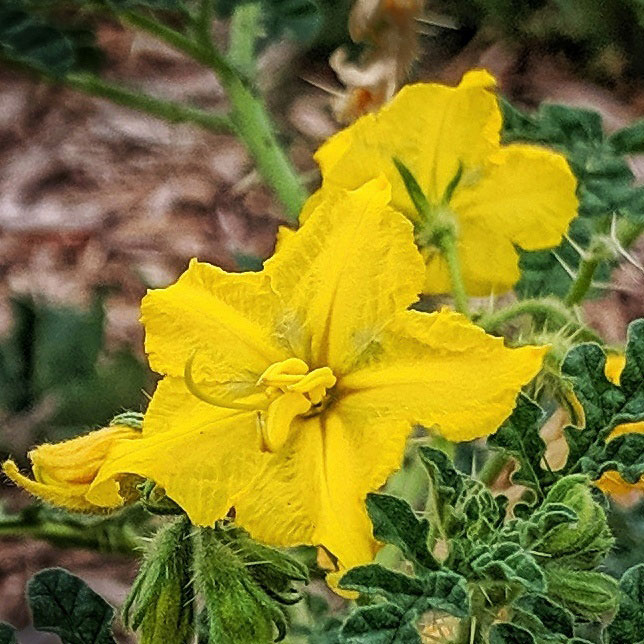
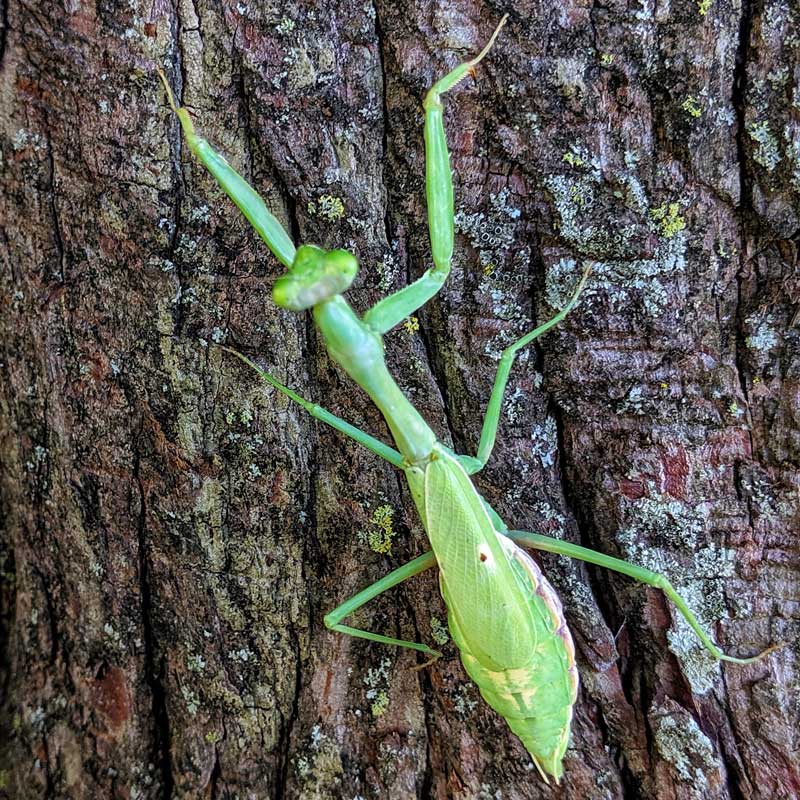
Haiku written by 7th-grade Bradley:
Pray little mantis
Lift your hands unto the sky
Your creator praise
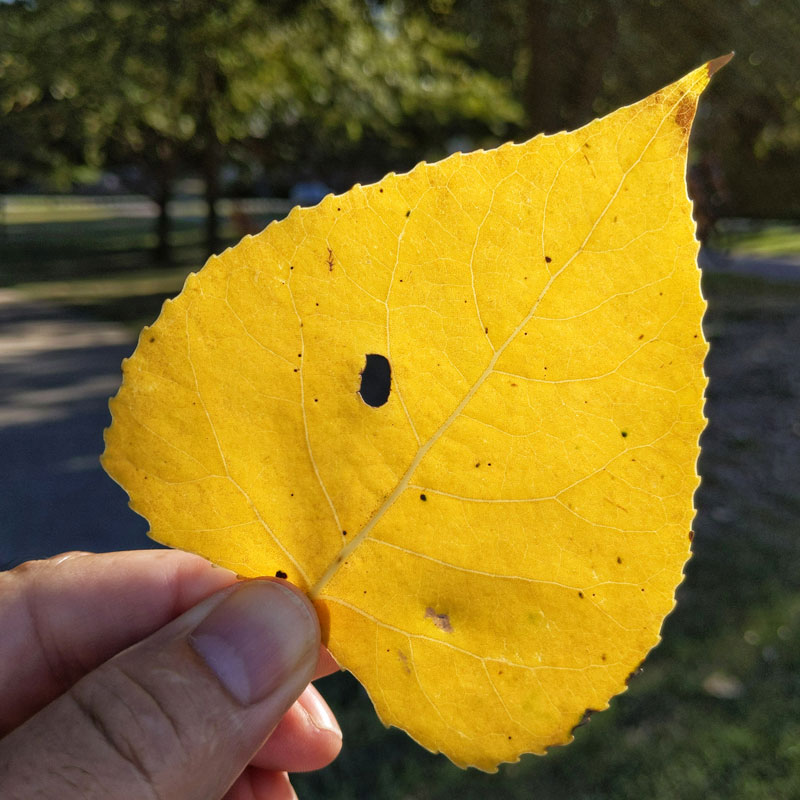

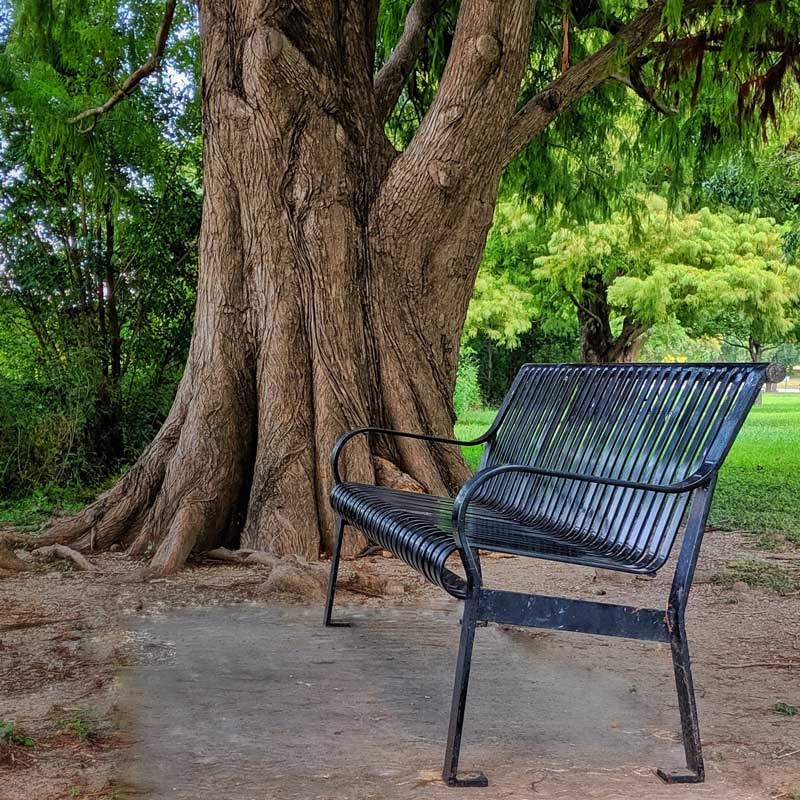
This is a favorite of photographers and fishermen at White Rock Lake.
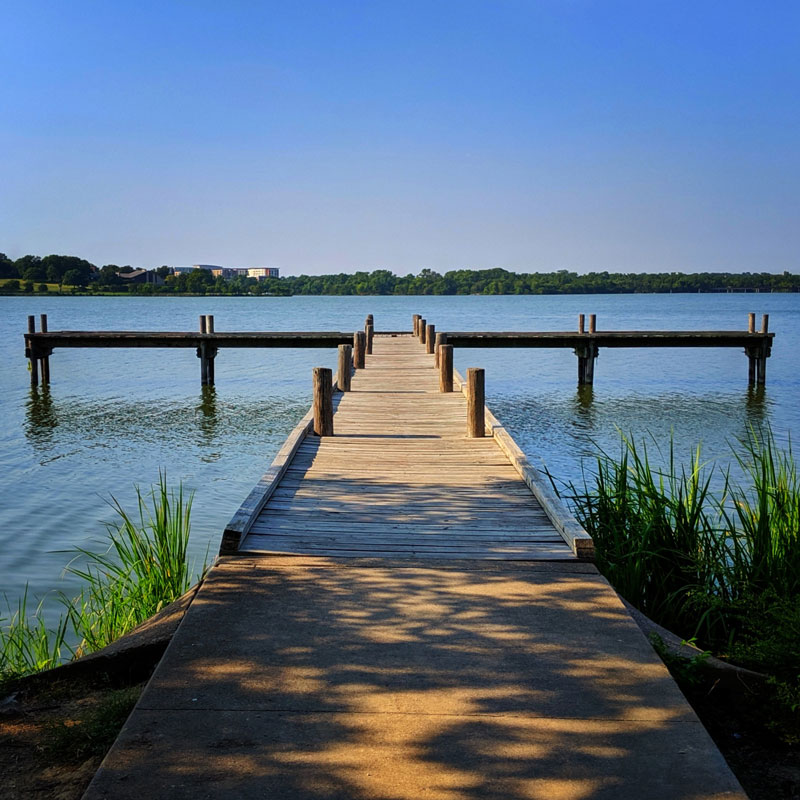
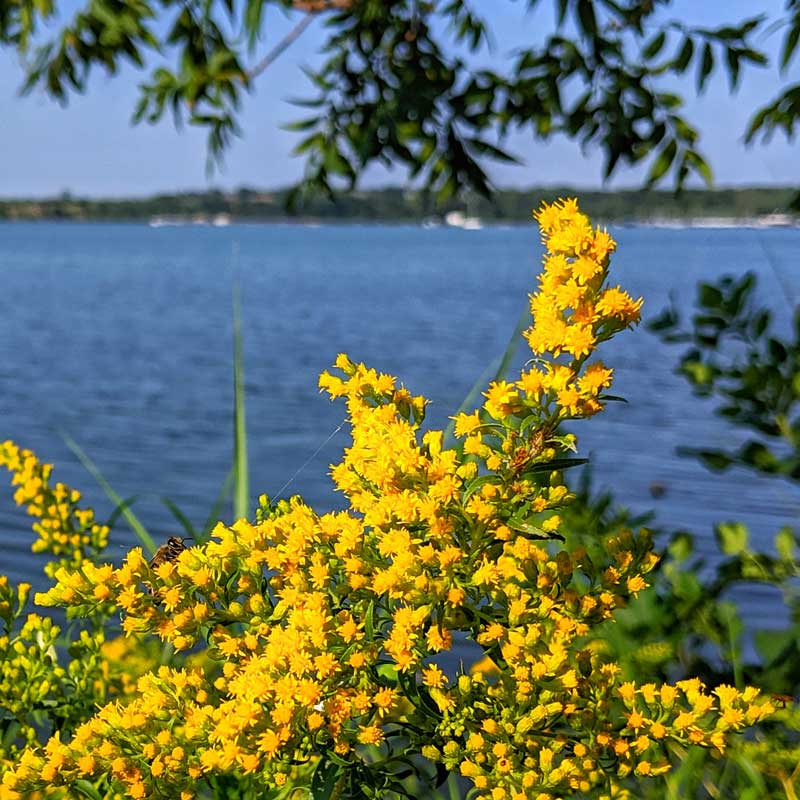
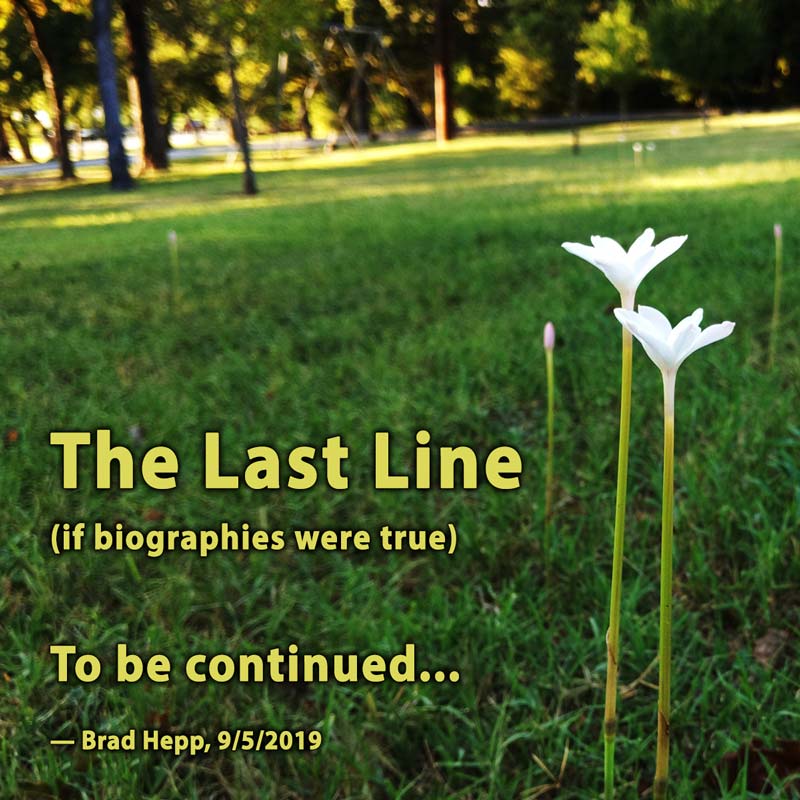
Most biographies end badly. It didn’t help that I was already unaccountably sad* yesterday as I listened to the final chapters of Alister McGrath’s biography “C.S. Lewis – A Life.” Lewis had beautiful things to say about the resurrection. But they were barely acknowledged or reflected in his final days, at least as recorded by McGrath.
To be fair, I was LISTENING to the Audible version of McGrath’s book. At the close of the audio version, there were two recordings of Lewis which somewhat brightened my perspective on his death.
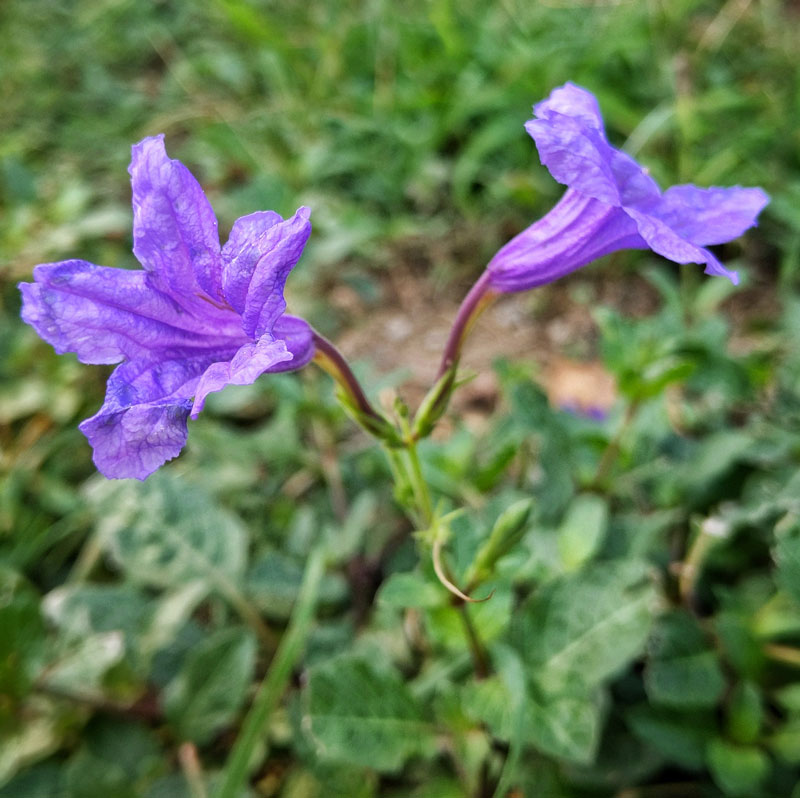
About the image above: I stopped and took this photo while I was walking and listening to the biography. The flowers are Rain Lilies. When park maintenance comes and mows down all the wildflowers, these flowers spring up quickly, especially if there is any rain. They seem apropos the subject.
*I began writing a poem while walking and listening to the final chapters of Lewis’ biography:
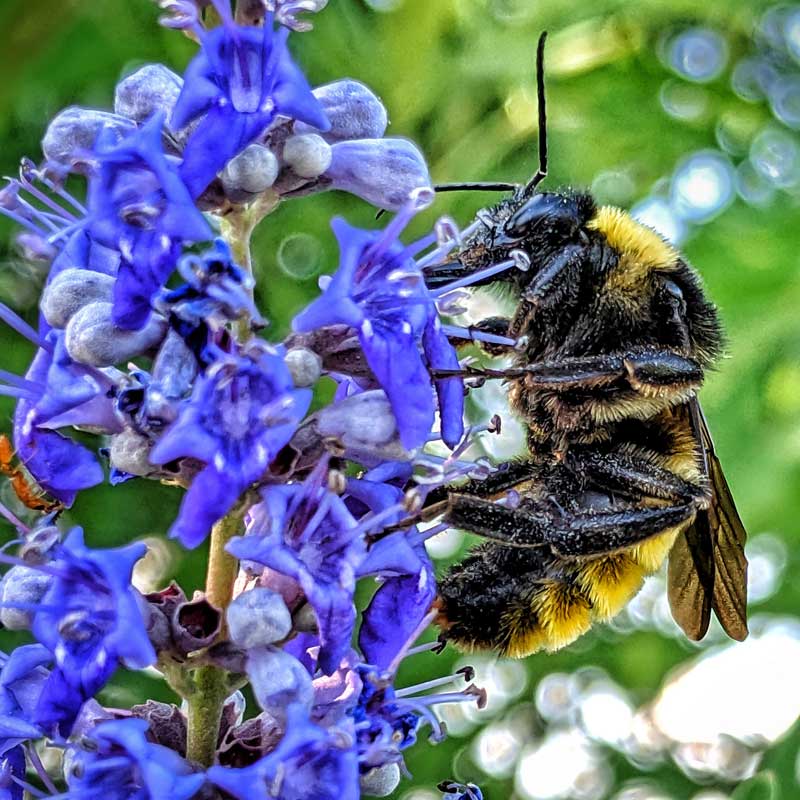
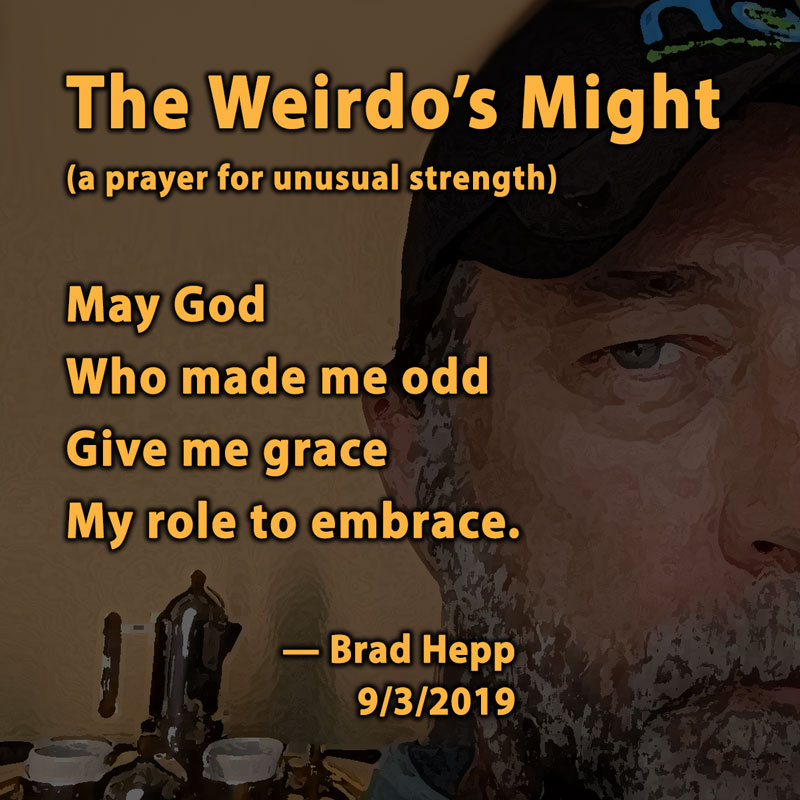
Does your contribution in this world seem laughable or small? This one’s for you. Stand up to your mocking self!
I suspect almost ALL of us feel odd at times. Lately, I have felt odd on many an occasion as I work at this art of poetry. Other poets assure me that it isn’t always necessary for us to fully understand what we write in our own poems. Often we’re trying to access and express thoughts buried deep inside. The words may or may not perfectly match the thoughts. My expectation is that as I continue practicing, there will be an increasing correspondence in thoughts and words. In the meantime, I sometimes feel like a blathering fool… one of God’s unaffiliated odd fellows.
But I do believe my circumstances and desires are being orchestrated by God’s good will; working at poetry is something I’m supposed to do. To what avail? I don’t know. It doesn’t seem likely that I’ll ever be good enough to publish. Here’s a theory: I often ask God to increase my ability to teach important truths. Perhaps the writing of poetry is making me more sensitive to truth and beauty. Perhaps I’m learning to convey that truth and beauty in a way that breaks through to others’ hearts.
God forgive me if I’m simply delusional!
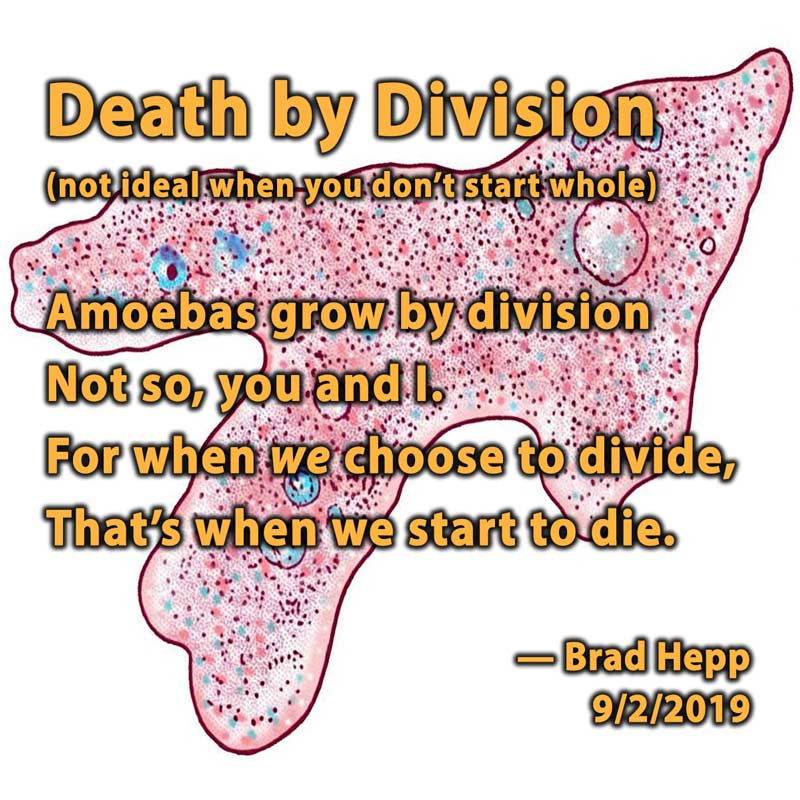
This title came to mind on Sunday morning, when I heard a friend’s prayer of lament: “God, there is so much division…”
(This poem USED to follow the rules for a Shakespearean sonnet. But forty years later, I have forgotten a few words and four lines! They were important to the flow and form, but probably added nothing to the sentiment. I was a freshman in college when I wrote this for an English course. It recalled the powerful crush I had on a girl who worked with me at a summer camp. She was older than me, beautiful and charming beyond description. When the summer passed, she returned to her home in the city, and shy young Brad — still working at the camp — could only watch for the ghost of her memory.)
I read the claim that “seasons rule man’s heart”
And thought, “Absurd! I know that cannot be!
Such stuff is nothing but poetic art
For mine was ne’er affected one degree!”
“My heart in dead of winter, as in spring
Has always changeless been despite the time!
Such stuff is used for rhyme
By poets who in fact don’t mean a thing.”
And still I’d think the poets’ claim untrue,
Had I not spent this Fall apart from you.
— Brad Hepp, Fall of 1978
AUGUST 2021 NOTE: I was reading back over my poems the other day and hit this one. I still haven’t found the original, full sonnet. BUT, this time, Cecile’s last name suddenly popped into my mind. A quick Google search, and it looked like I had located her. She now has a key position in state government. On LinkedIn, I messaged Cecile, assuring her that I’m NOT a stalker. She confirmed that she is the Cecile who tended the gardens at that summer camp. Fun.
Here’s the exchange I had with Cecile (slightly redacted):
I wrote:
Cecile, In my semi-retirement, I have been working on my poetry. The oldest poem I halfway recall is a sonnet I wrote for “Cecile” after the summer when she and I both worked at Sky Ranch out in East Texas. By the time I wrote the sonnet, I was in college and past my infatuation for her, but the memory of that infatuation was ample inspiration! I’m not a stalker. Rather, I’m happily married to my beautiful, godly wife Susan, and serving as an elder at our church here in Dallas. For some reason, the last name [REDACTED] popped into my mind when I was working on my poetry blog. A quick search, and there was this highly-accomplished civil servant. It wouldn’t surprise me if the inspiring young lady who tended the gardens at Sky Ranch is now tending something equally important.
Cecile responded:
“I did tend the garden at Sky Ranch. It was such a great time. I keep up with several others who worked the same summer.”
Listen:
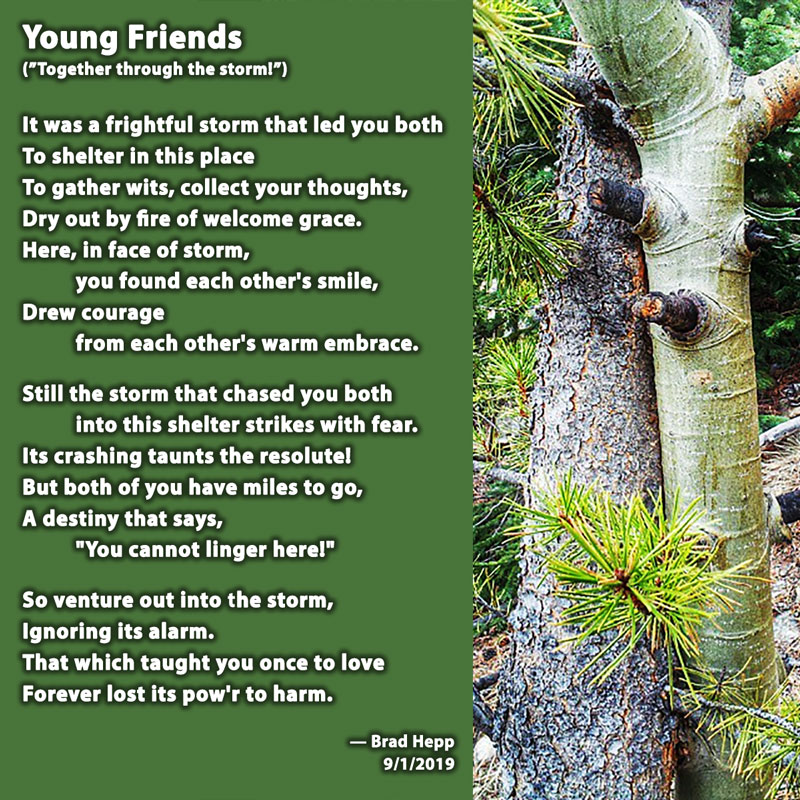
I won’t embarrass the young people I wrote this for by telling you their names. Suffice it to say that it is a young man and his girlfriend. They got to know each other at a time when both were dealing with anxiety. Their kindness to one another was soothing, leading in time to genuine love (affection coupled with determined efforts to seek the good of the loved one). Buoyed by countless long conversations, they have each grown stronger, assured of the love and support that overcomes anxiety.
But life continues to be hard. Pressures abound. Schoolwork is taxing. Other responsibilities pile on with each year of young life. What this poem advocates is that my young friends face those pressures, spend the time and mental/emotional energy that is demanded of them now without resorting to the comfort they have come to know in each other’s presence (physical and virtual, thanks to the Internet). In devoting time to their duties, they are not denying the affection they have for one another, but investing in themselves, investing in the valuable person they are, the valuable person loved by the other.
In a storm, darkness and curtains of rain may limit how far we see, but hearing our friend calling out encouragement is a powerful aid. I like to imagine some code phrase like, “Together through the storm!” Literally. I like to imagine a literal phrase that conveys love in other “mere” words… think of “As you wish” in The Princess Bride. With encouragement like that, the storm loses it’s power. It may separate for a time, but it cannot ultimately separate those whose love for one another was forged by its menace, those who learned there is something more powerful than a storm.
Listen:
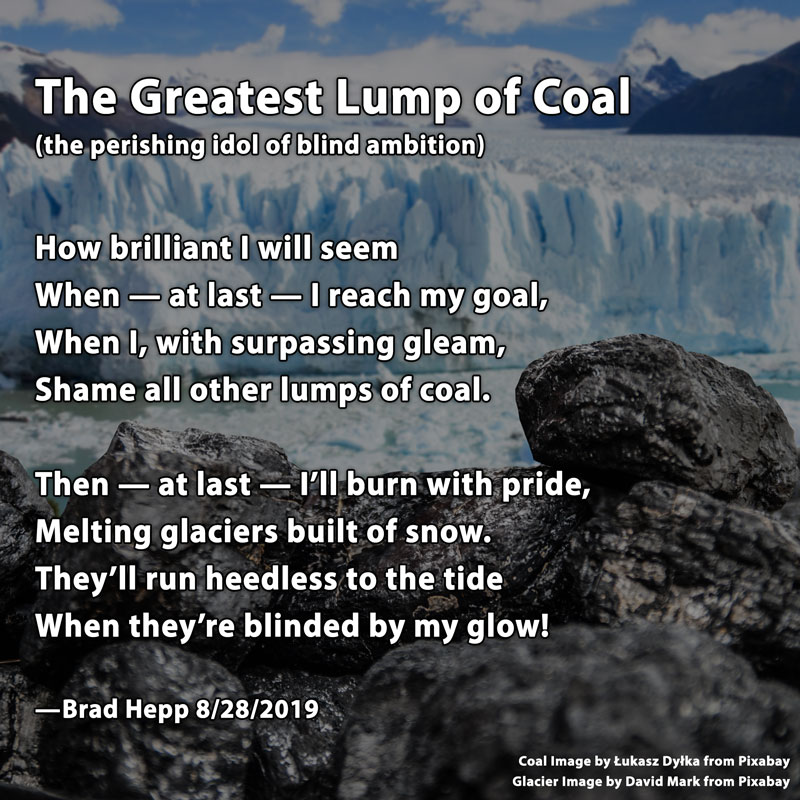
[NOTE: The following is not yet edited; it’s a first go at wrangling my thoughts. Call it meditation.]
I am slowing working my way through Paul’s letter to the Galatians. As I do so, I’m trying to extract principles that apply in the context of my own life. I ask myself, “If Paul were writing to fellow Christians in the United States of America in 2019, how would he frame the argument? Would the motivations of people who are drawn to political poles be called into question by Paul’s arguments? Do we base our righteousness on identification with lesser things?”
This morning, I was in verse 10 of the first chapter: “or am I now seeking the approval of man, or of God? Or am I trying to please man? If I were still trying to please man, I would not be a servant of Christ.” I asked myself, “Do I take sides in a perishing system because I want to please man, to feel righteous based on the ideas I hold?”
I thought about Paul’s pre-salvation rise in the ranks of Pharisees. He surely was advancing because he was zealous. But how much of that zeal was motivated by a desire to impress other Pharisees? Today we might use the term “virtue signaling.”
That was the general setting. In the poem, I focused more tightly on the ambition to be someone “great.” This idol has been on my mind a lot lately. The poem pokes fun at me. The greatness I aspire to (even in last gasps) is not greatness. Relative to true brilliance, we are all 99.9% darkness.
Listen:
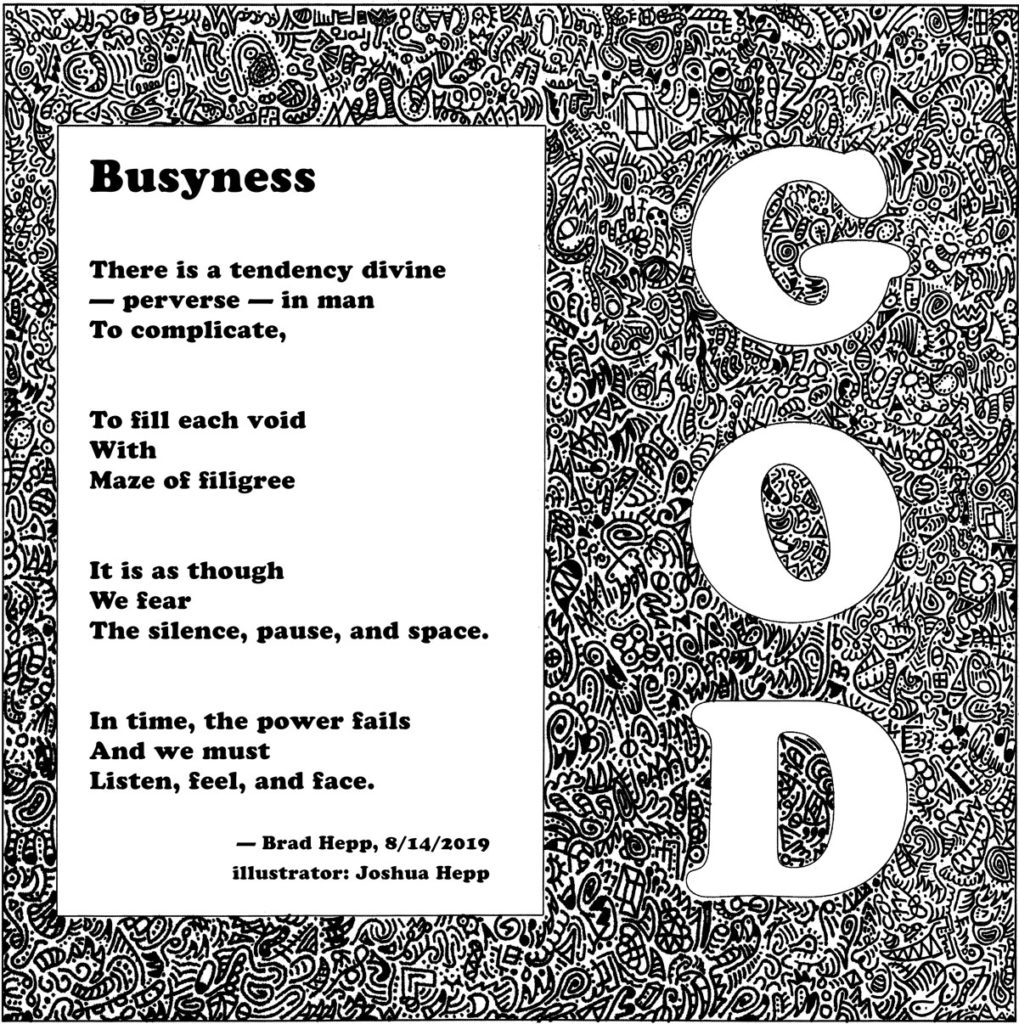
My son Joshua helped illustrate this poem. Let me first clarify that his artwork (and this style in general) is NOT the problem addressed by the poem. In fact, the process of drawing such a complex design can afford time and mental space to be contemplative, to “listen, feel, and face.”
Here’s how I tentatively explained the poem to Joshua (you may notice that I’m still struggling to understand this poem myself)….
“a tendency divine”
God designed us to relate to Himself, with creativity, a desire to work and build. But as with so many other things, we pervert those qualities. We abuse the qualities. Instead of finding a balance of work and rest, we work all the time. God offers a Sabbath, promising that He’ll supply what we would have produced in that period of rest. Instead, we work straight through. We also let the qualities draw attention to the creation instead of to the Creator. While we could stop to enjoy the complexity of His creations, we instead busy ourselves building and admiring our own creations. In a hundred other ways, we say to God, “Thanks, but no thanks. I’m kind of busy supplying for myself, expressing myself, making sure that others recognize how great I am. Catch you later, pal.”
“To fill each void”
Jesus wasn’t impressed with the elaborate prayers of religious would-be leaders. He taught his disciples to pray simple prayers of dependence. He wasn’t impressed with the self-satisfied, self-righteous, and judgmental religion of many grown ups, so He taught his discples they’d better come to Him with the simple dependance and delight that characterize children.
“We fear”
Why do we blow off the opportunity to breathe, to take it easy with our Heavenly Father? One reason may be that we don’t trust Him to prevent catastrophe. We think our security depends on us. Approaching the rim of a Grand Canyon, we doubt that He’ll hold our hand, and so we run back to the safety of the Visitor Center. There, surrounded by gee-gaws of plastic, we need not fear the hardness of rocks in the chasm below.
“In time, the power fails”
But God is a good Father. One way or another, He’ll take us to the rim. It may be when a storm damages the electrical grid. It may be when age, disease, or exhaustion leave us dependant on Him.
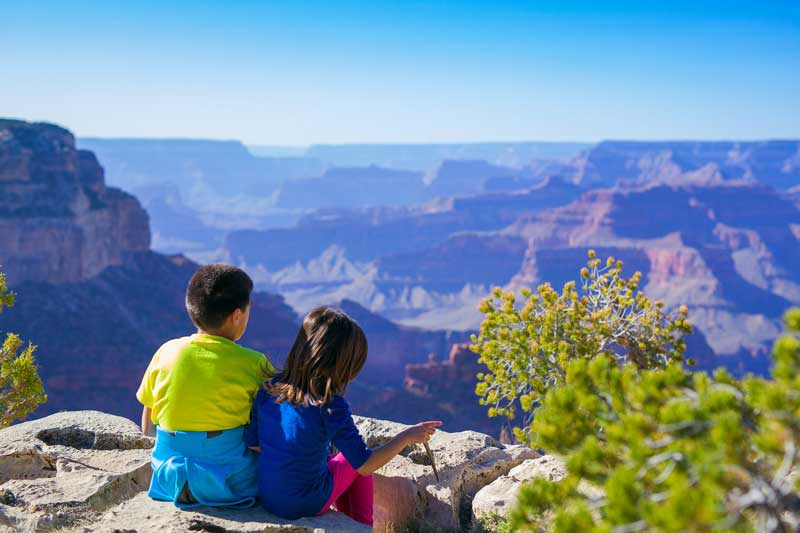
Grand Canyon photo by “Pexels” on Pixabay. I personally have never been to the Grand Canyon. It seems like a vast depression to me. Perhaps someday….

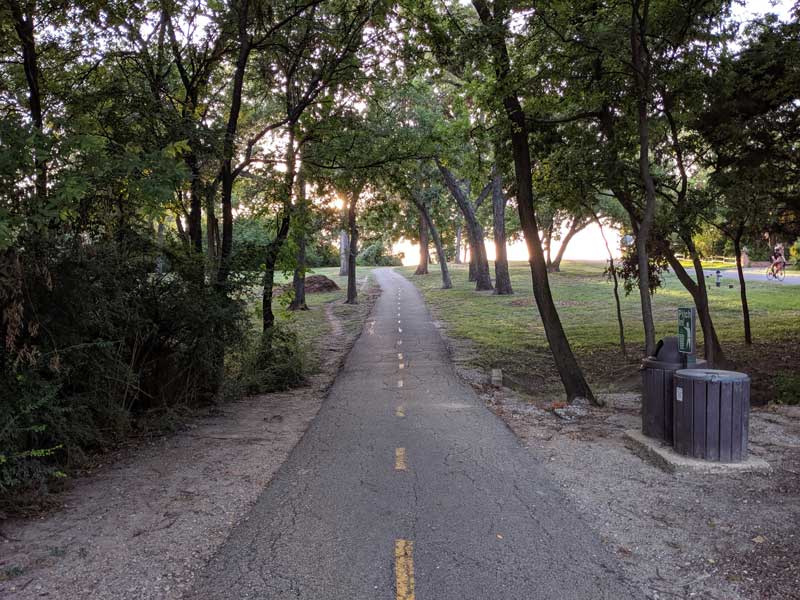
This is one of my favorite places on the path around White Rock Lake. The path goes through some trees and then turns right to an open area that overlooks the entire lake. It is close to the Bath House.
Here, for those who insist on the truth, is the original photo. But do you really want the truth? The picture below is NOT what I truly experience when I am on this section of the path. Because of the magnificent way God designed us, we take in a scene with stereoscopic vision (try closing an eye and looking into branches to appreciate what this means). We hear and smell, look around, and the brain combines everything into an image that greatly surpasses what can be captured in a still image… no matter how good the camera! So, I must edit photos to convey what I EXPERIENCED, not merely what the camera captured in a thoughtless moment of time.
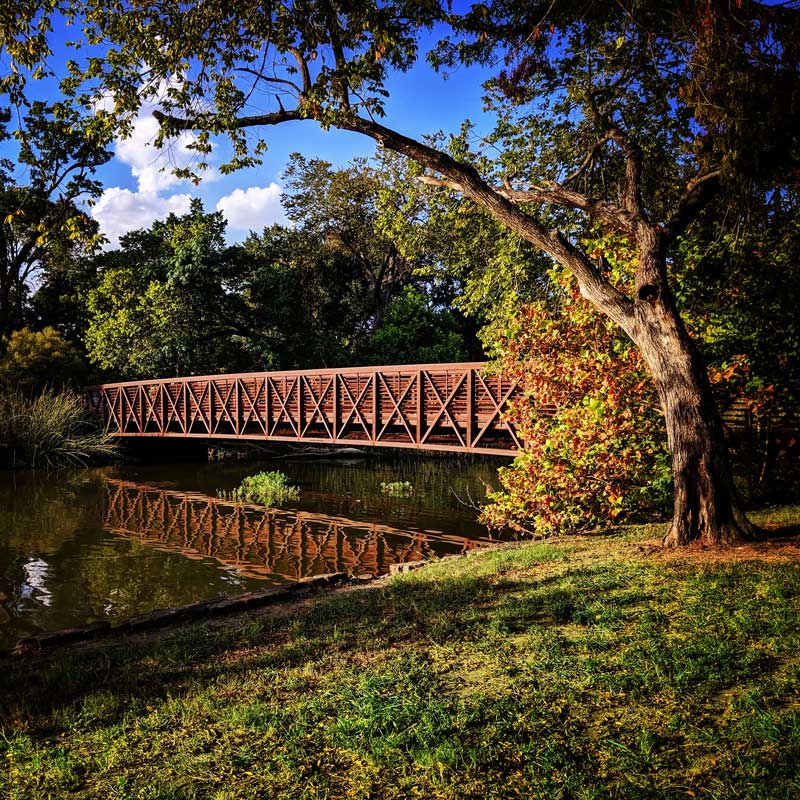
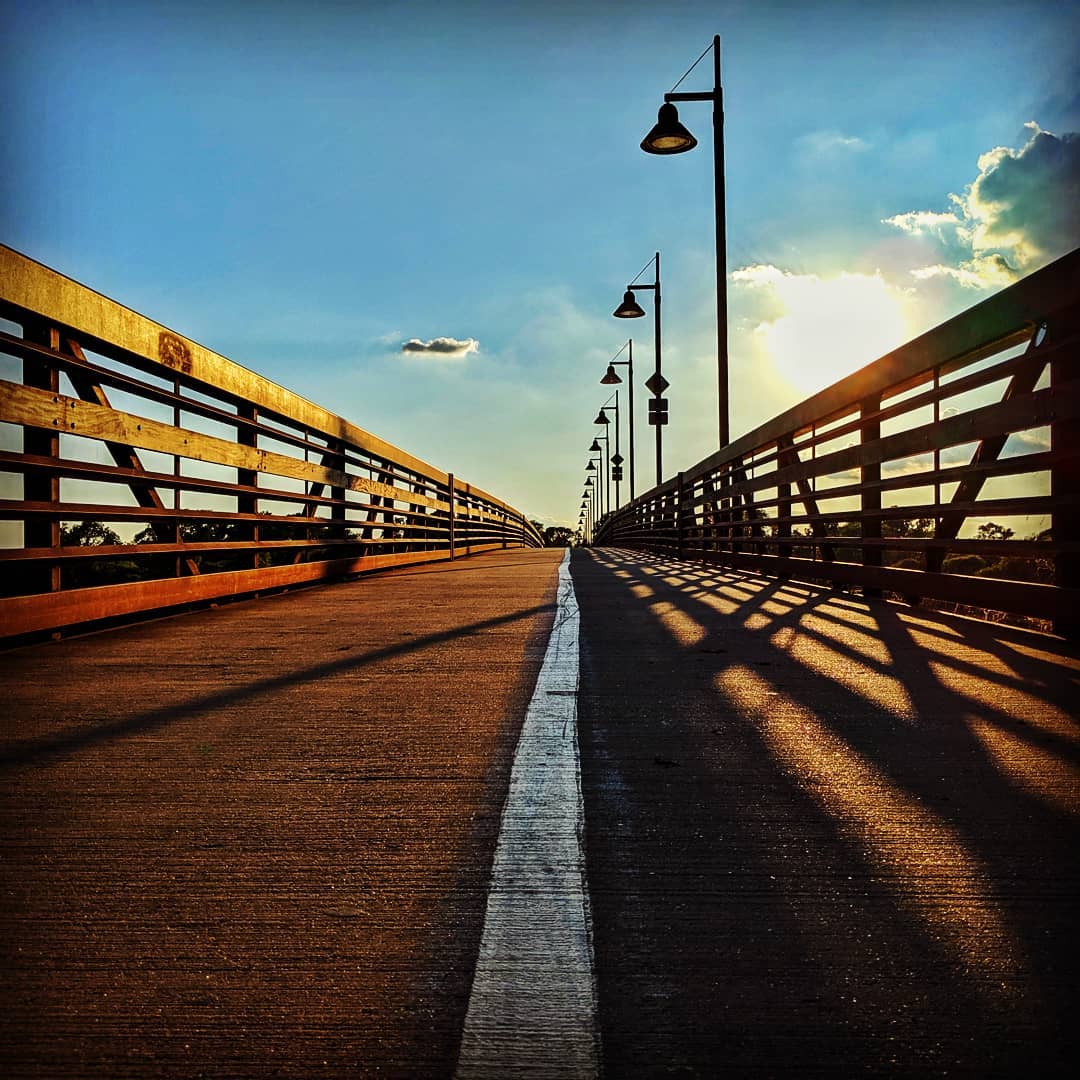
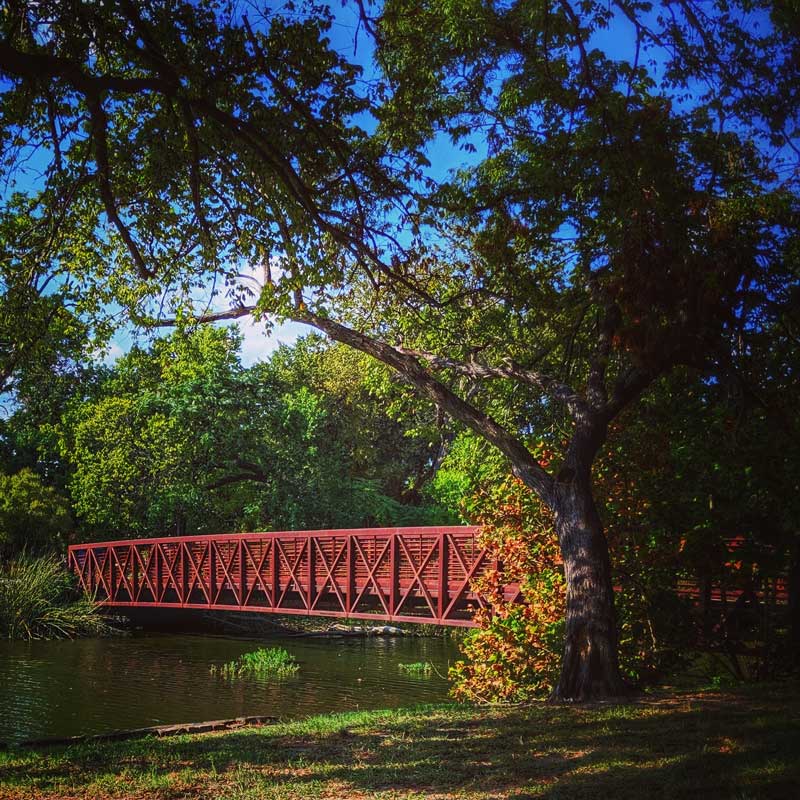
Another day, better light. I shot and posted this picture two days ago (see image below), but wasn’t satisfied with the results. This is better, although I couldn’t have told you why when I first saw it. Frankly, I wasn’t even aware of the reflection of the bridge…. I just knew the light seemed better to me somehow.
By the way, the words I quoted were from a young lady with tremendous promise. This is not the first time of late that a younger person has pointed me in the right direction. My joking response was that old Scottish men solve their problems with Scottish drinks, but I DID hear what she was saying. I love being part of the family of God, where His Spirit makes significant use of old and young, male and female, rich and poor. Bless you, younger sister.
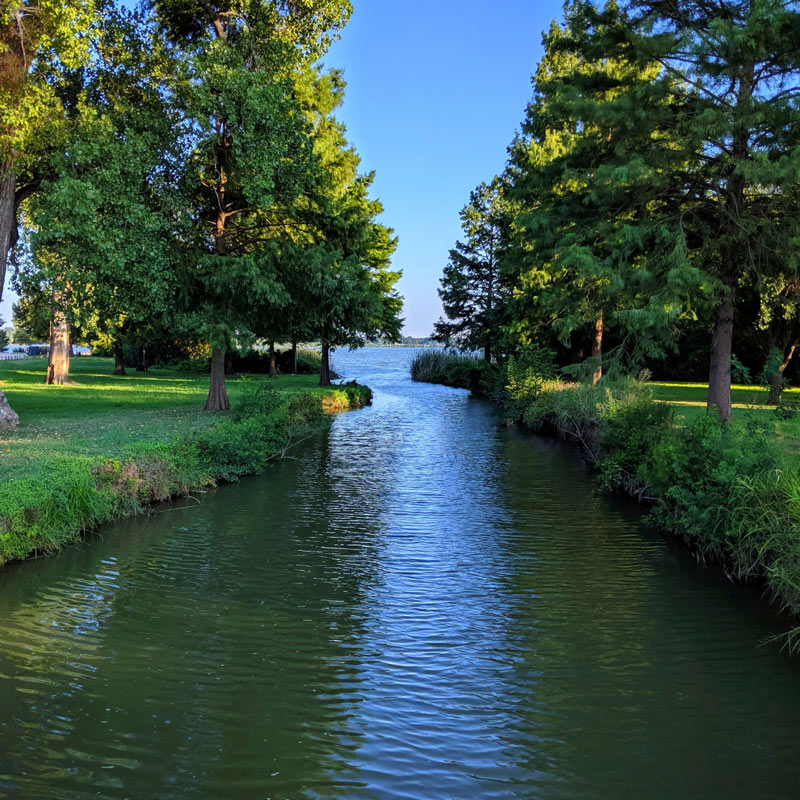
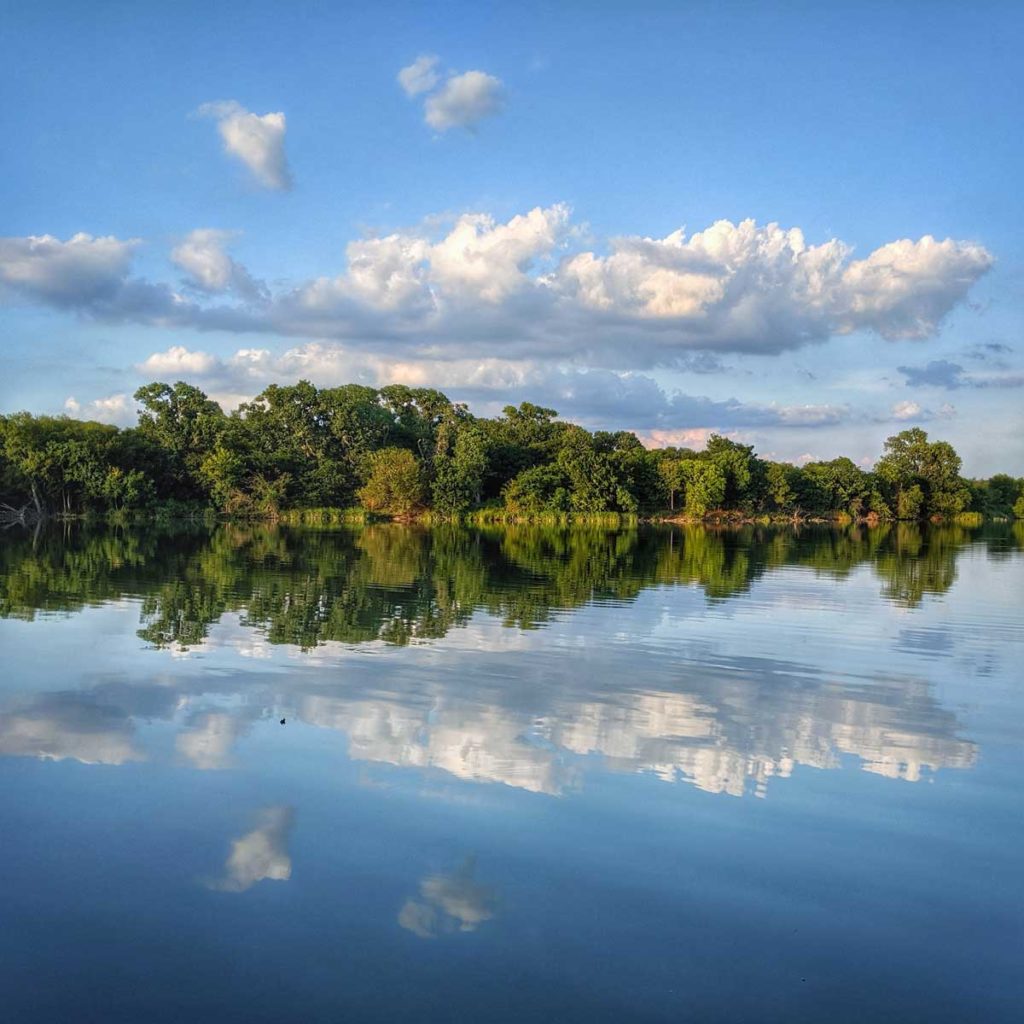

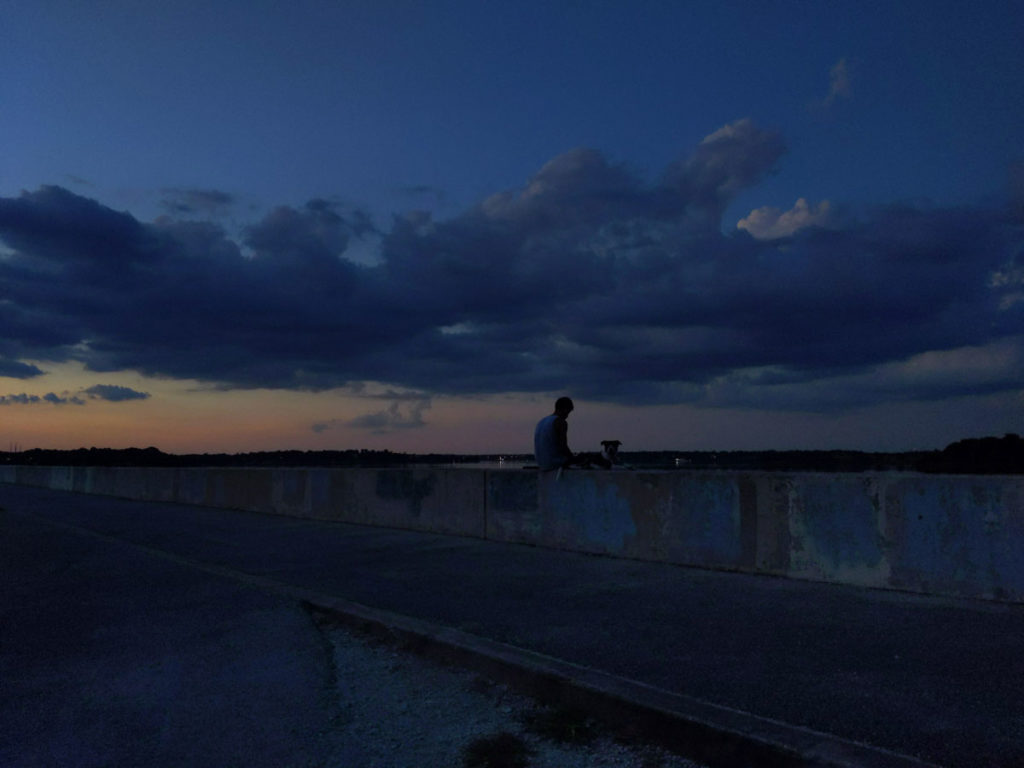
This photograph was heavily edited (if that’s not obvious). The interesting thing is that the colors were “there” in the original, which I’m putting below for comparison.
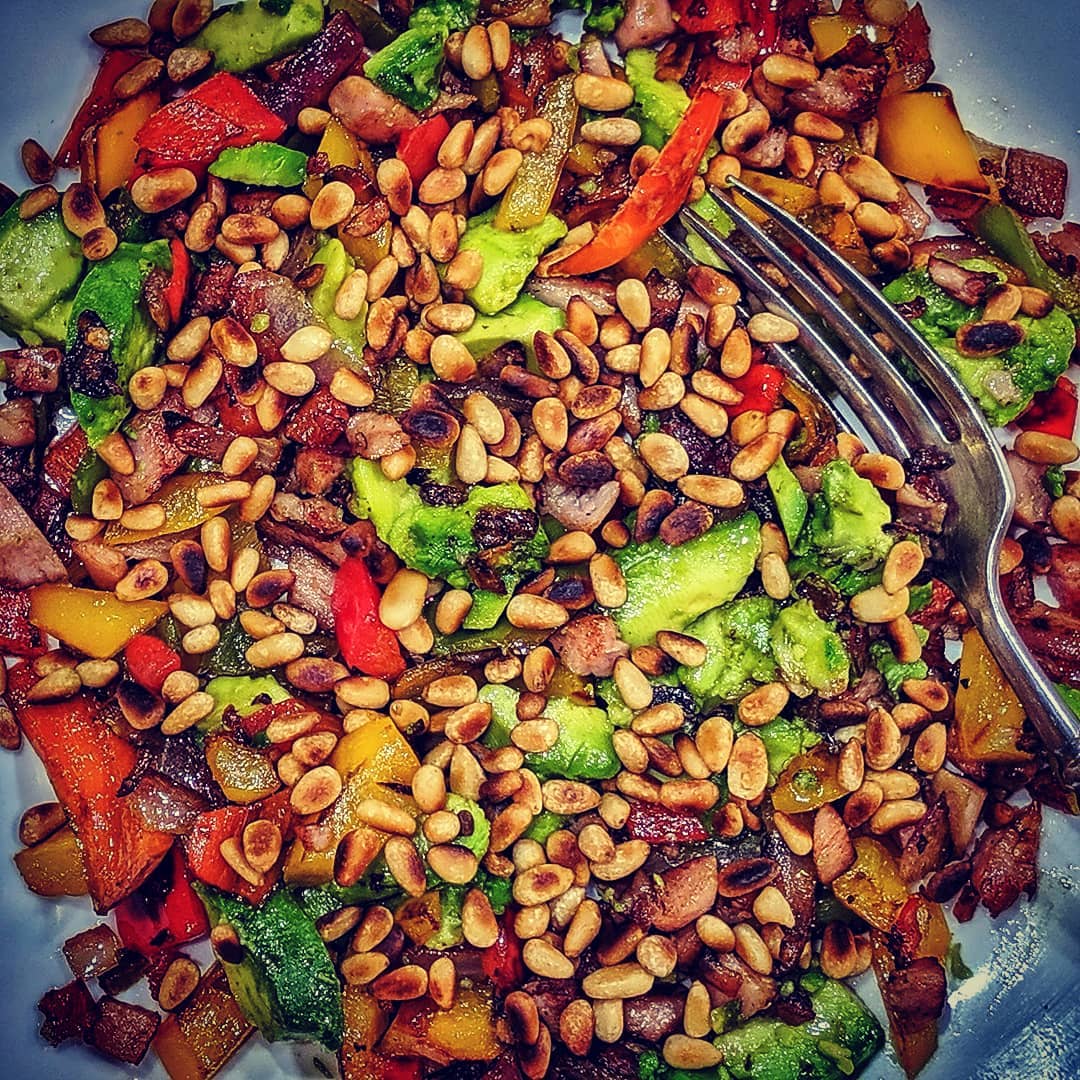
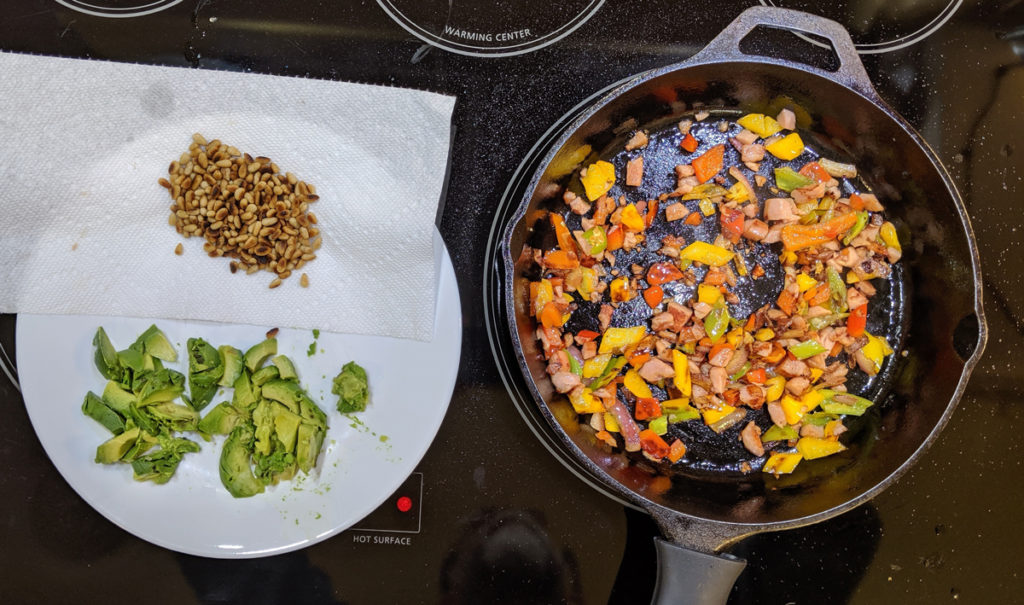
Susan got me one of those plastic containers with precut veggies (red and white onions, green, red, and orange bell peppers, hatch peppers). I dice them and saute them along with diced spam. Then I add in diced avocado and roasted pine nuts. Cool sour cream is my latest addition.
Listen:
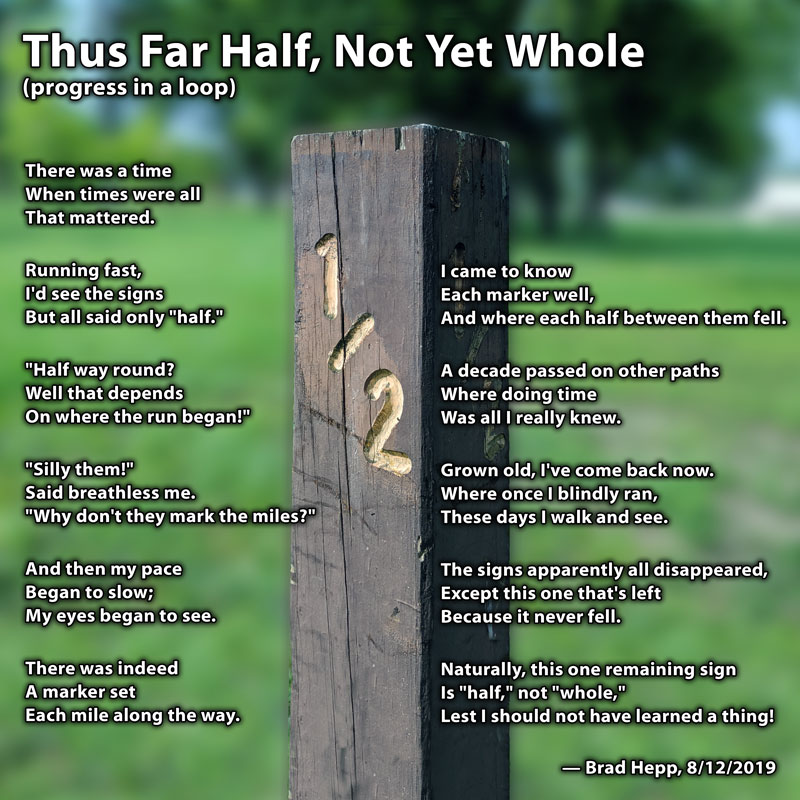
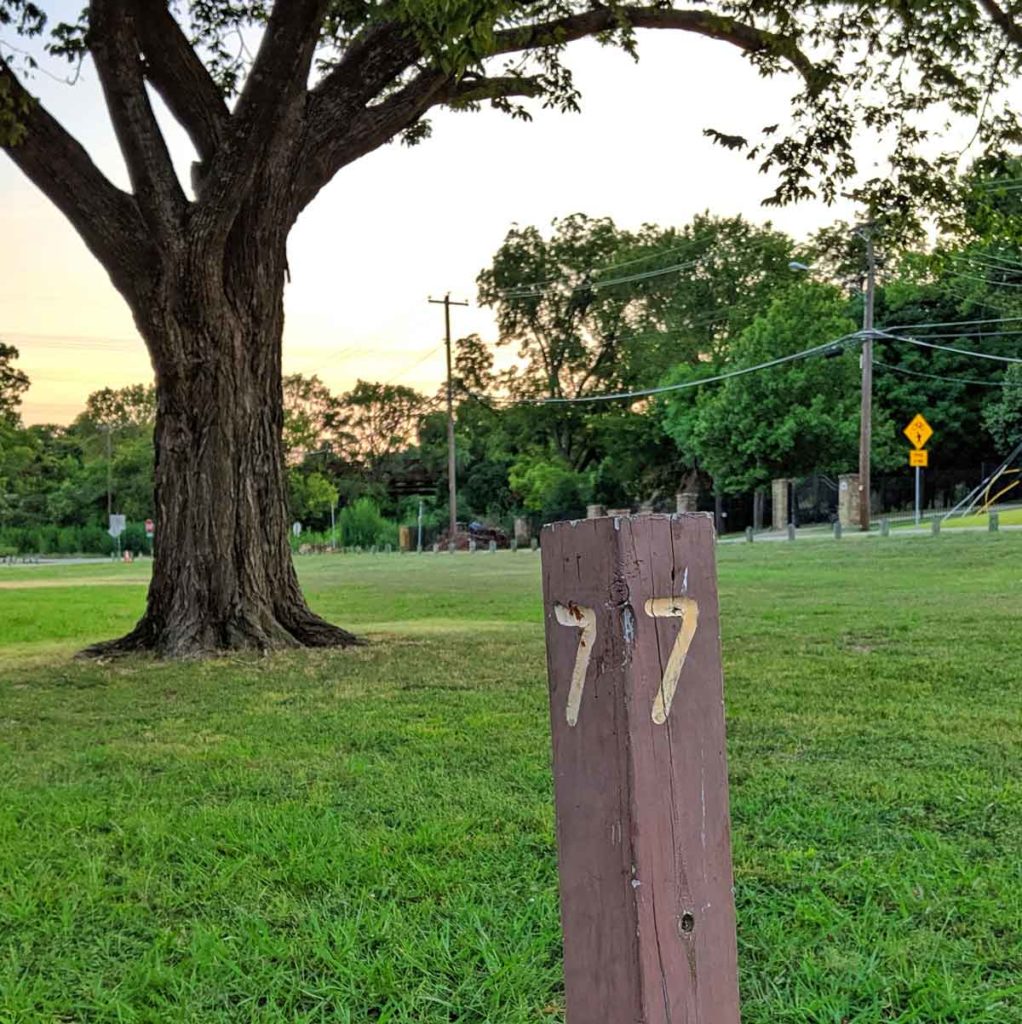
This old sign tapped me on the shoulder as I walked by yesterday: “Remember me? Sure, you may see better now (slightly better than a newborn kitten), and judge less harshly. But you’re also prone to forget.” Thank you, Seven.
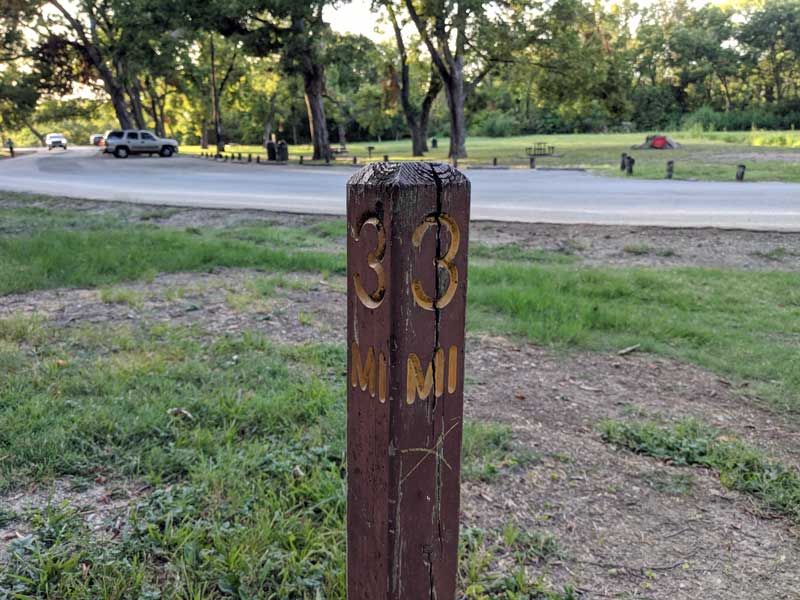
Oh yeah… There is milepost three. Still standing: